Throughout the CyberFair project, the research supported content standards, required coursework, and curriculum requirements, particularly when it comes to environmental education and digital literacy. While centering on the circular economy and recycling, it directly connects to sustainability education and the global crisis that we frequently discuss in school. Throughout this group project, we applied knowledge from science classes about environmental impact and resource management, while also demonstrating effective communication skills from English courses.
While conducting interviews, designing a survey, and analyzing given information, we learn to present our findings clearly and concisely. These skills align well with many of our in-class activities, highlighting the importance of inquiry-based learning and critical thinking. By examining global issues, especially recycling systems and the reuse of fishing nets, we effectively link what we learn in classrooms to real-world environmental issues.
In addition, we also learn how the internet and technology serve as an efficient platform while conducting this research. Online research allows us access to global information, while online tools provide us with a better understanding of multiple perspectives and allow us to express our ideas and thoughts to a broader audience.
To sum up, this research project teaches us how high-school students can contribute to raising awareness about the environmental crisis in our society. Even though we are still teenage students, we are capable of taking an active role in researching problems, sharing findings, and advocating for more sustainable solutions.
Taiwan is an island surrounded by the ocean. In our project, we identify the problem of marine pollution, especially the waste caused byhumans. Therefore, we proposed solutions by introducing the concept of waste recycling and circular economy while giving an actual example of a company called RebornPlas, which was recycling fishing nets and transforming them into new products. Furthermore, our project expects to raise the community’s environmental awareness toward the topic of the marine environment, and meanwhile promotes the concept of the circular economy to the public. During the process of our project, we sent out a survey to question the public about their understanding of the concepts we aimed to promote. This process includes texts introducing RebornPlas in the form we sent, informing respondents about the company that is dedicated to the industry while focusing on sustainable development. Meanwhile, we also collaborated with RebornPlas to interview their ideas and thoughts as a model of the circular economy. In the future, we hope to unite the public and the company, where both sides are characterized as a vital part in conserving the natural environment. Our project serves as a bridge to connect with both sides as we attempt to promote the idea and the company’s ideals of sustainability to the public. Furthermore, we aspire to project our community’s economic model onto the global stage, demonstrating how localized industry serves as a possibility to solve the shared global issue.
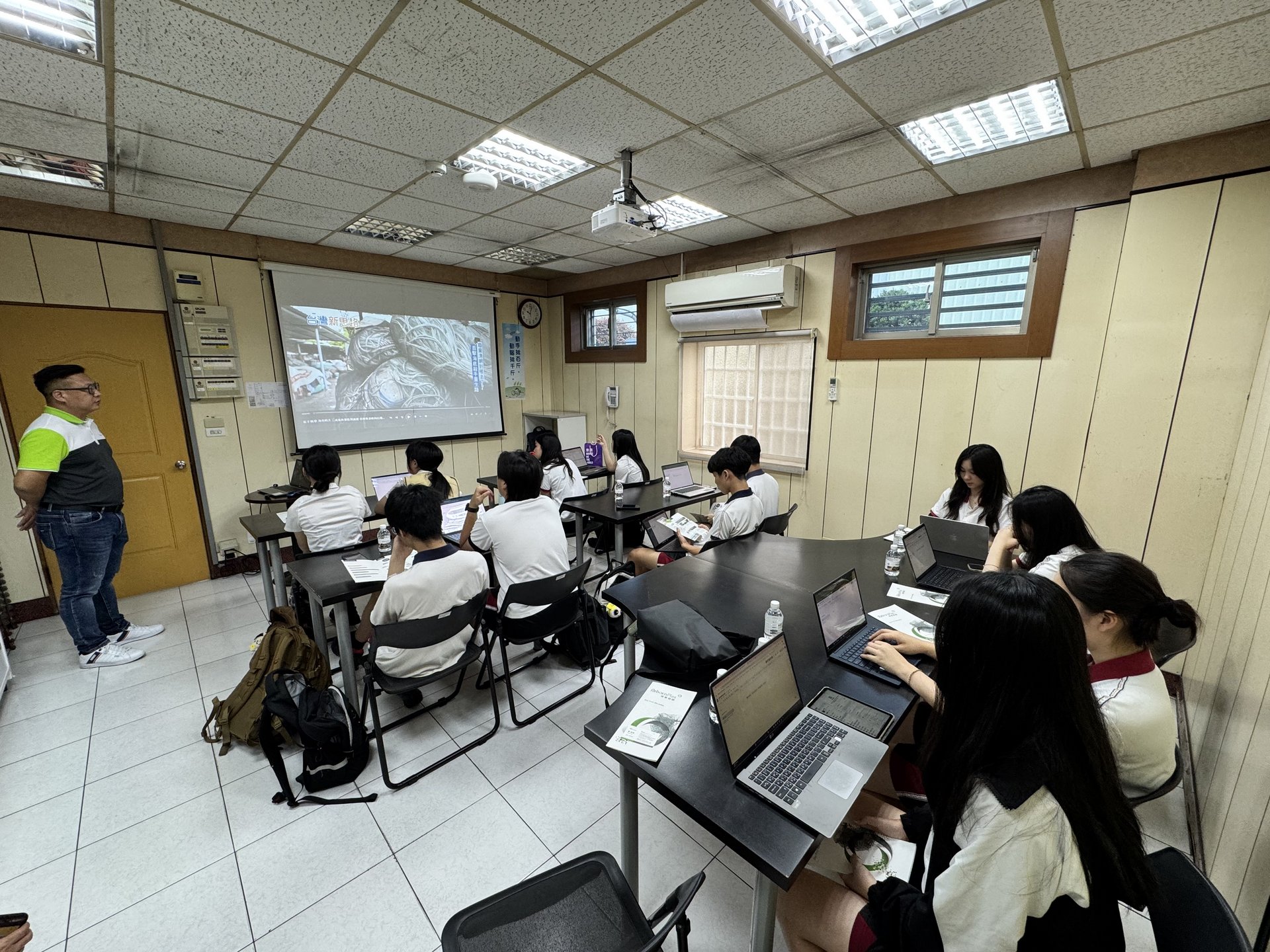
To fulfill the role of “ambassadors”, our CyberFair team acted as a bridge between industrial innovation and public awareness. In person, we conducted an in-depth interview with RebonPlas in Tainan. We prepared interview questions about the topic, and the interviewers asked questions face-to-face, transitioning us from being passive learners to active participants. During the interaction, we learned more about the business’s point of view and economic system on the topic of marine conservation. Digitally, we sent out surveys to the public and eventually created a website to advocate environmental awareness by providing a possible solution. Recognizing that “lack of promotion” creates barriers to the circular economy, we utilized Google Form to gather more than 300 responses across diverse demographics. This was a double-sided communication: we informed the respondents about the company RebornPlas and the connection of SDGs; the respondents provided the public’s opinion on the topic of circular economy, and supported us in understanding the need for promotion of the concepts. Most importantly, we organized all of the information we’d collected into an online website. The platform allows us to advocate for our model of circular economy and environmental conservation from local community acts into global society value indicators. All in all, as students, we acted as unified voices for marine conservation.
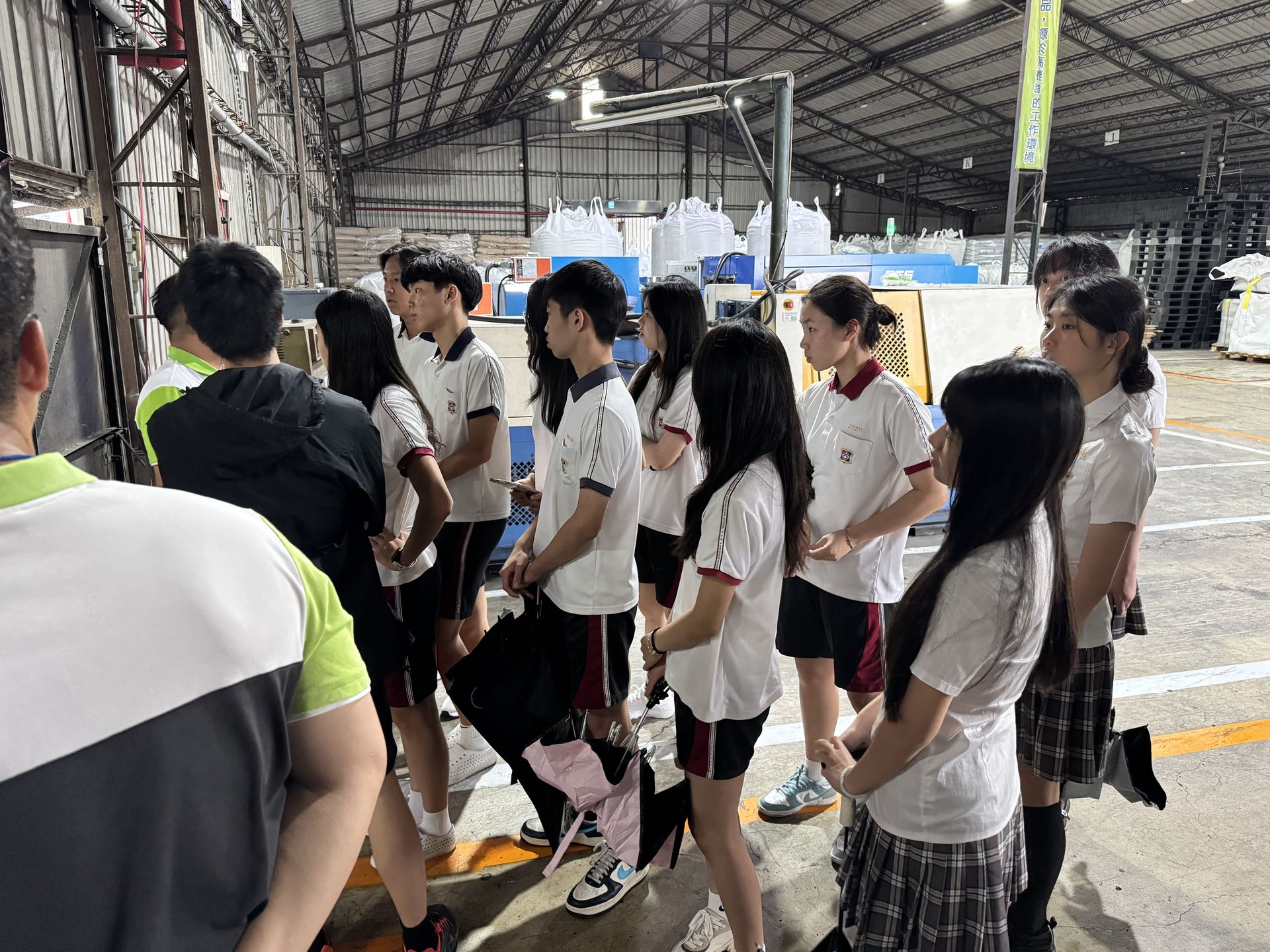
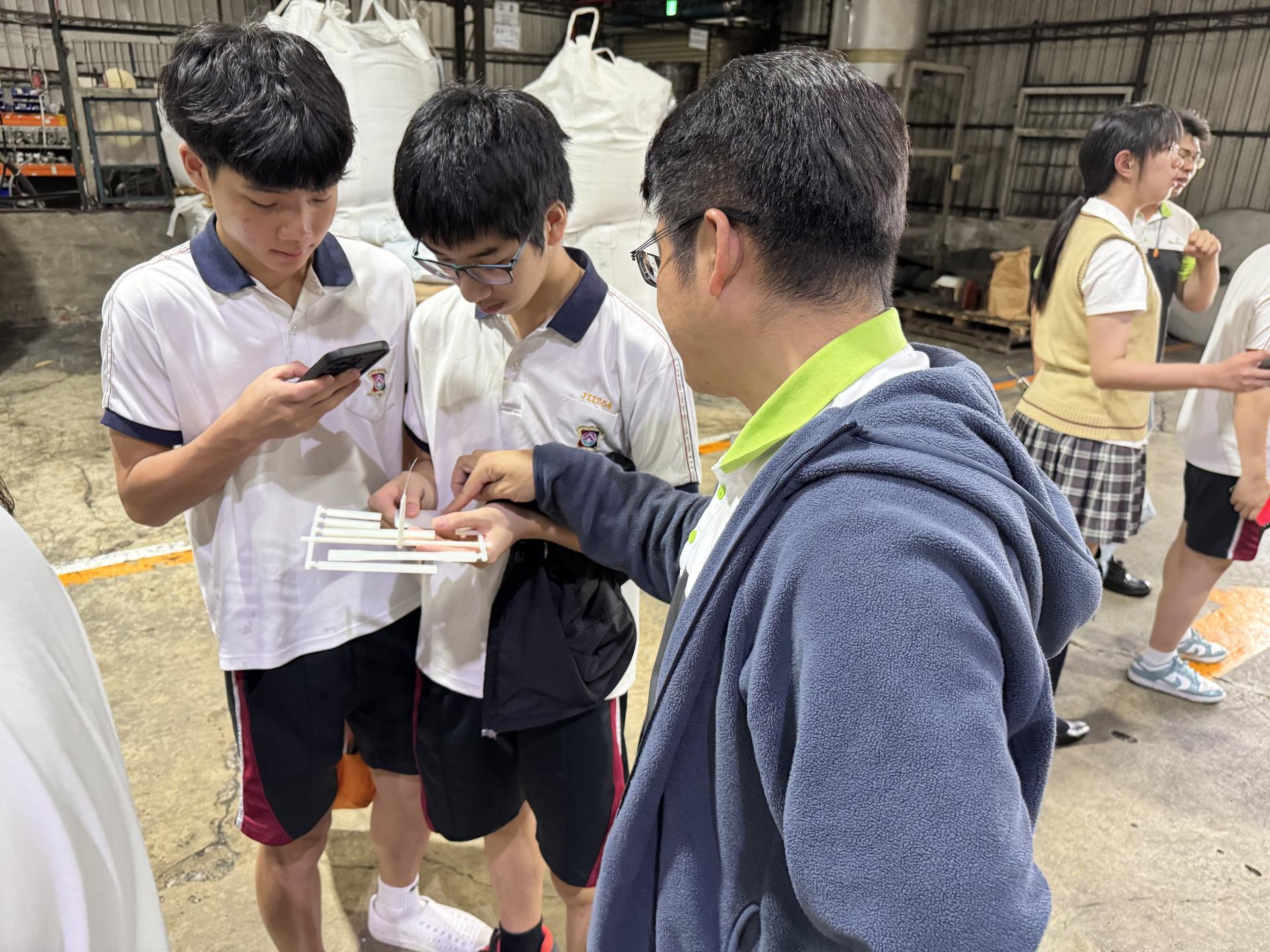
As a part of the project, we are thankful for the invitation from the RebornPlas company to observe and appreciate the advanced technology for producing eco-friendly and low-carbon recycled nylon pellets from discarded fishing nets. The company allowed our team to photograph and film the materials and equipment in their factory. Throughout our interview, the workers provided a clear introduction to the particular characteristics of the raw materials and the uses of different equipment. It is a pleasure for our team to learn new concepts in the plastic recycling and composite materials industry. Additionally, we are impressed by the way they participate in maritime preservation and how they are committed to the philosophy of “recycling, regeneration, and starting anew”. Once again, we are extremely grateful to the RebornPlas company for offering us the opportunity to get in touch with an unfamiliar domain or area we never get a chance to investigate.
For this project, our teammates contributed to this project in different ways. Some of us contributed by designing the websites, and some people were responsible for the content that would be presented on the websites. Furthermore, we utilized surveys to gather data from our community. Our team collaborated to develop thought-provoking questions that addressed the core objectives of our project. Once the survey was completed, we distributed the survey to our peers and family members, collecting valuable insights from a diverse group of volunteers. Ultimately, the success of the project was a direct result of effective teamwork; it is necessary for every group member to participate in their own roles and responsibilities to complete this project.