Taiwan is a vibrant island nation in East Asia, characterized by its majestic mountain ranges and stunning coastlines of the East Philippine Seas. While our school, Kang Chiao International School Xiugang Campus, sits high up on the mountain, our community isn't limited by geography. We belong to an island that leads the world in advanced technology, yet we are constantly reminded of the environmental costs that come with it. To us, “community” isn't just a place; it’s an effort to protect our home from the worsening of marine plastic pollution.Even though we grew up in an education system that often prioritizes academic excellence and exam scores over creativity, we are choosing to unite with those who are actually solving problems on the ground. This includes the fishermen and companies who stood at the frontline facing this issue. We know that the work we do today might not show results for years, but as the next generation, we are the ones who have to take responsibility for making the circular economy a reality.
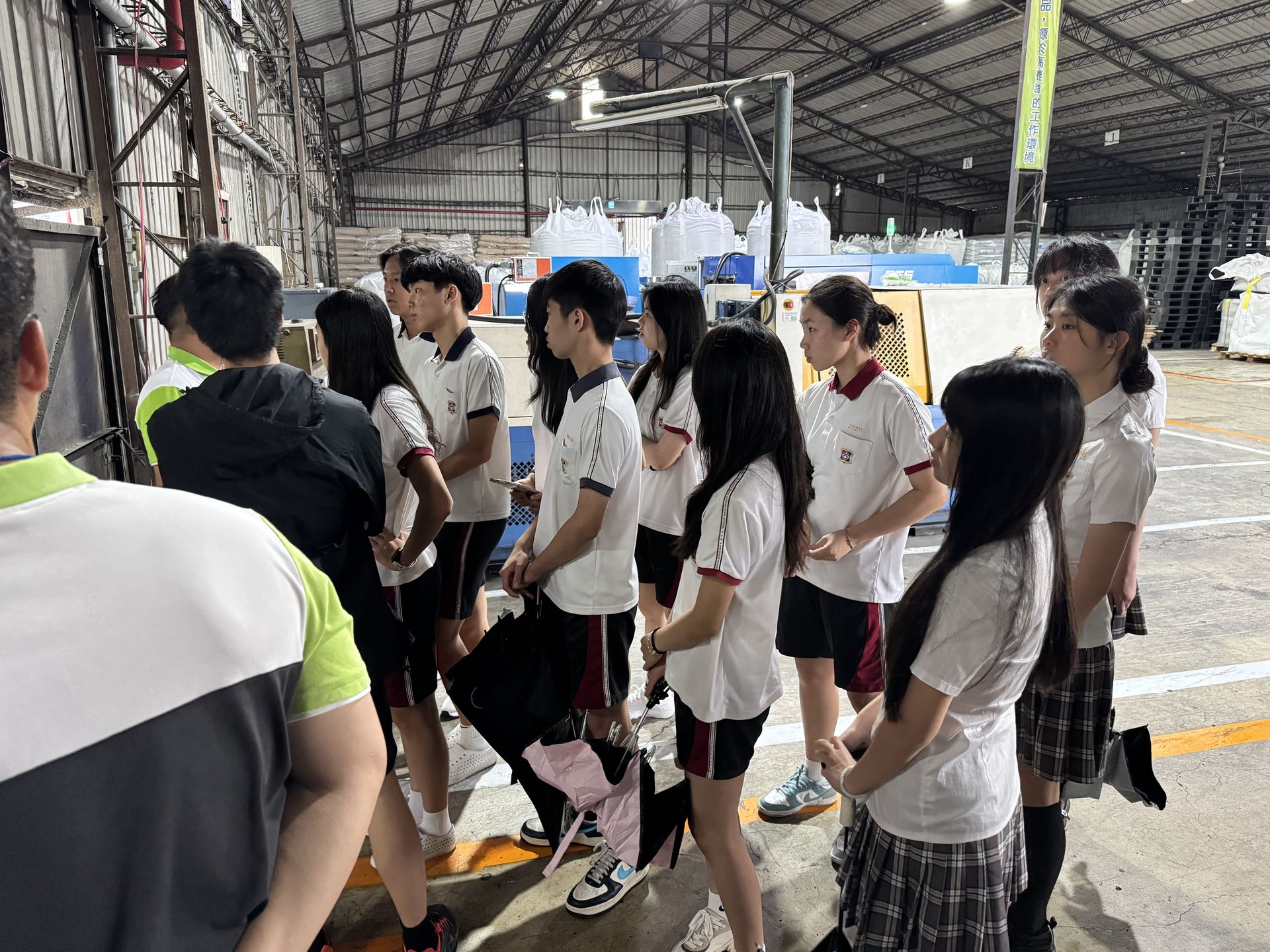
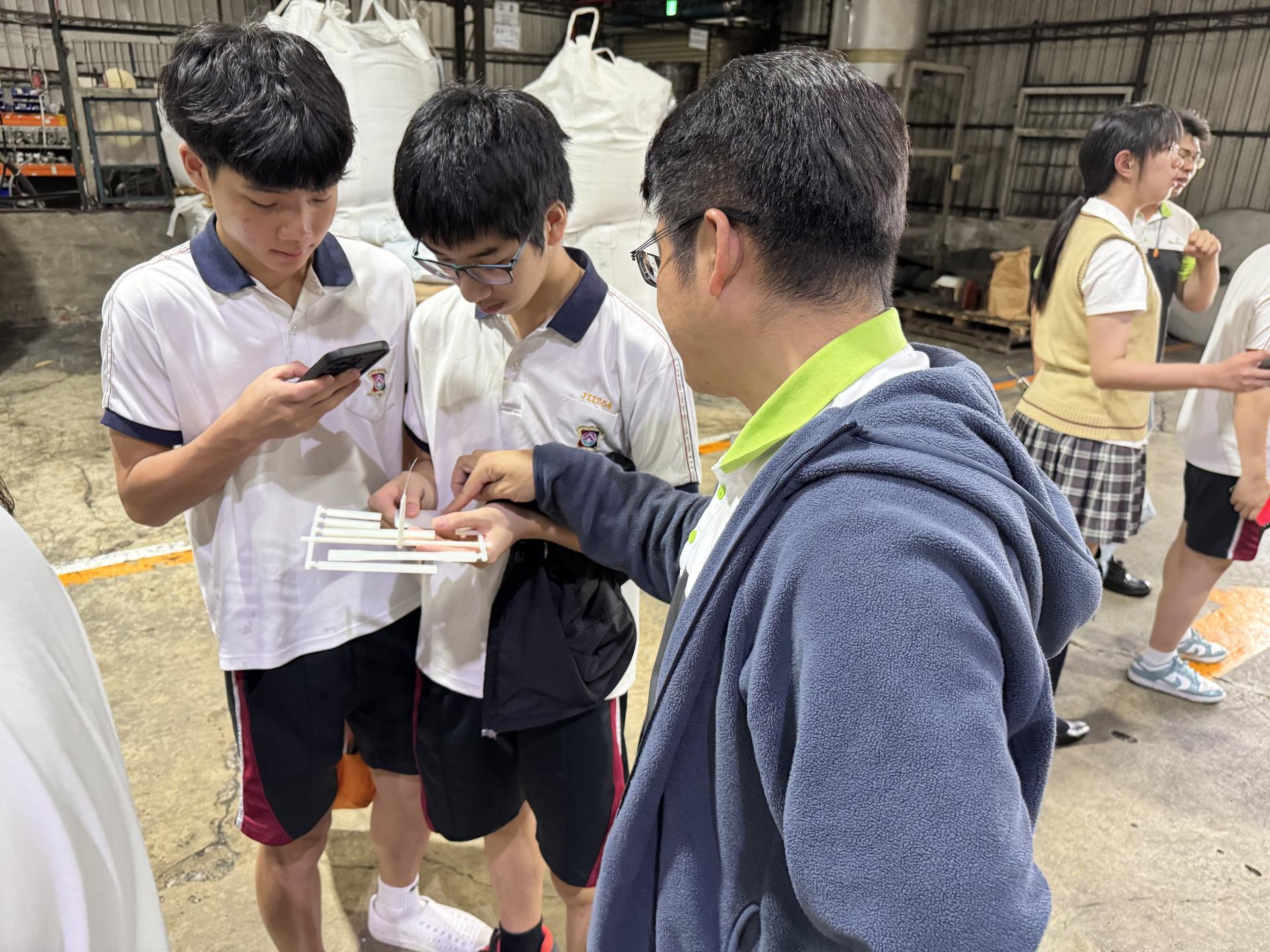
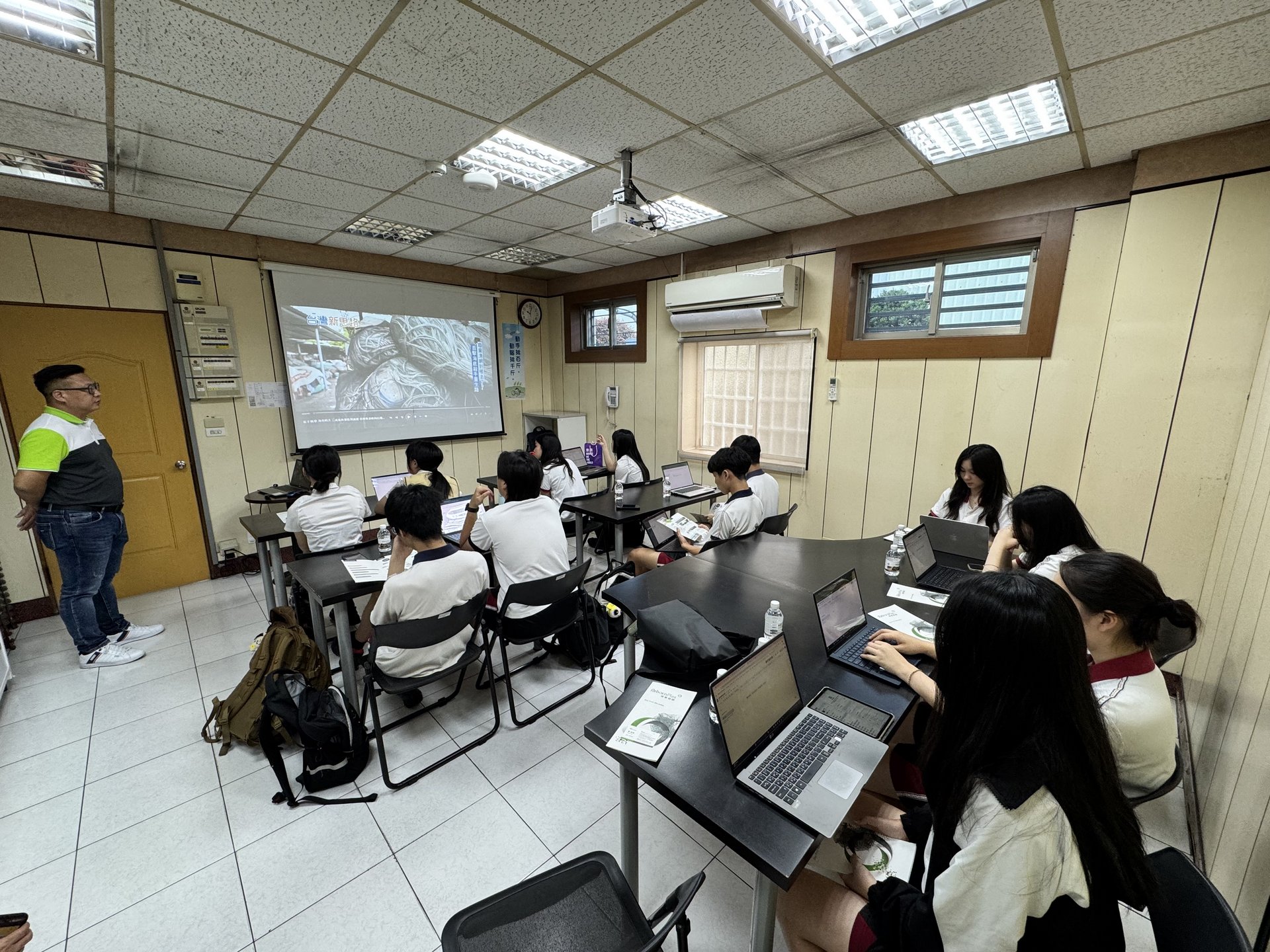
Our project is an exploration of how a single idea can be transformed into an item that saves our oceans. Our research focuses on Rebornplas, a company that has spent over twenty years recycling abandoned fishing nets into high-quality plastic pellets. Through our interview with Ms. Lin, we discovered that true sustainability isn't just a slogan; it’s a long process of tests and error. They once performed over twenty rounds of material trials just to meet the standards of a laptop manufacturer, proving that contributing to the environment requires continuous efforts.
To ground our industrial research in reality, we conducted a survey that reached 300 people. Using Google Forms and Sheets, we analyzed the public’s perception of recycled goods and used those insights for our interview questions. We learned that while most people support the idea of recycling, many are still mistaken that the products made from recycled materials are used commercially or are unstable. Rebornplas responded by showing how their team uses recycling technology to take material that has only 70% of its original properties and boost it back to 100%. As students, we realized that we aren’t just participating in a cyberfair project; we are recording a moment where every sector of the community contributes and unites to save our environment.
Since all members are entering 10th grade, the amount of school work, exams, and quizzes increases, and our schedule becomes overwhelmingly packed. It is difficult for all of us to align and keep a steady pace throughout our research. During the winter break, many team members had personal plans; unfortunately, most of us could not attend the winter training, in which we are given time to complete our project. This seriously impacted our overall productivity. But we still managed to partition tasks to each member, ensuring that everyone could take responsibility and contribute evenly with appropriate amounts of work. Thanks to the convenient internet, we are able to communicate and cooperate online, using tools like Google Chat, Google Docs, and other online productivity tools.
Through our research into the circular economy, we realized that "sustainability" isn’t just a shallow slogan; it is however, a commitment to restore our environment. By uniting as a team of students from Kang Chiao International School to research, survey, and interview those on the front line of marine conservation, we learned that contributing to a cleaner future requires the persistence of turning an idea into an item. This project has shown us that when we unite the community,, we can transform global waste into a sustainable reality for our future generations.
The internet connection speed in our classroom is around 10.58 megabytes per second (MBPS), and the download speed is 2 MBPS. All members have internet access both at school and at home, with a total of 12 mobile phones and more than 12 laptops. The Internet is accessible to every individual in the team. Online media, websites, allow us to instantly access information, and online communication increases our productivity and overall efficiency. We use our devices for almost everything throughout the project, planning, researching, data collection, creating our website, note-taking, organizing, and communicating. Sometimes our school’s internet may be unstable, but it rarely happens.