While the ocean covers nearly 71% of Earth's surface and is home to more than 2 million species, it is now facing a global crisis. One of the major marine threats is global warming, which is the accumulation of carbon dioxide in the atmosphere. The phenomenon raises ocean surface temperatures and may gradually lead to severe biodiversity loss in the marine ecosystem. Another threat is marine debris, where humans throw waste into the ocean, affecting more than 700 marine animals. In addition, plastic is the most common marine debris, accounting for more than 80% of the waste.
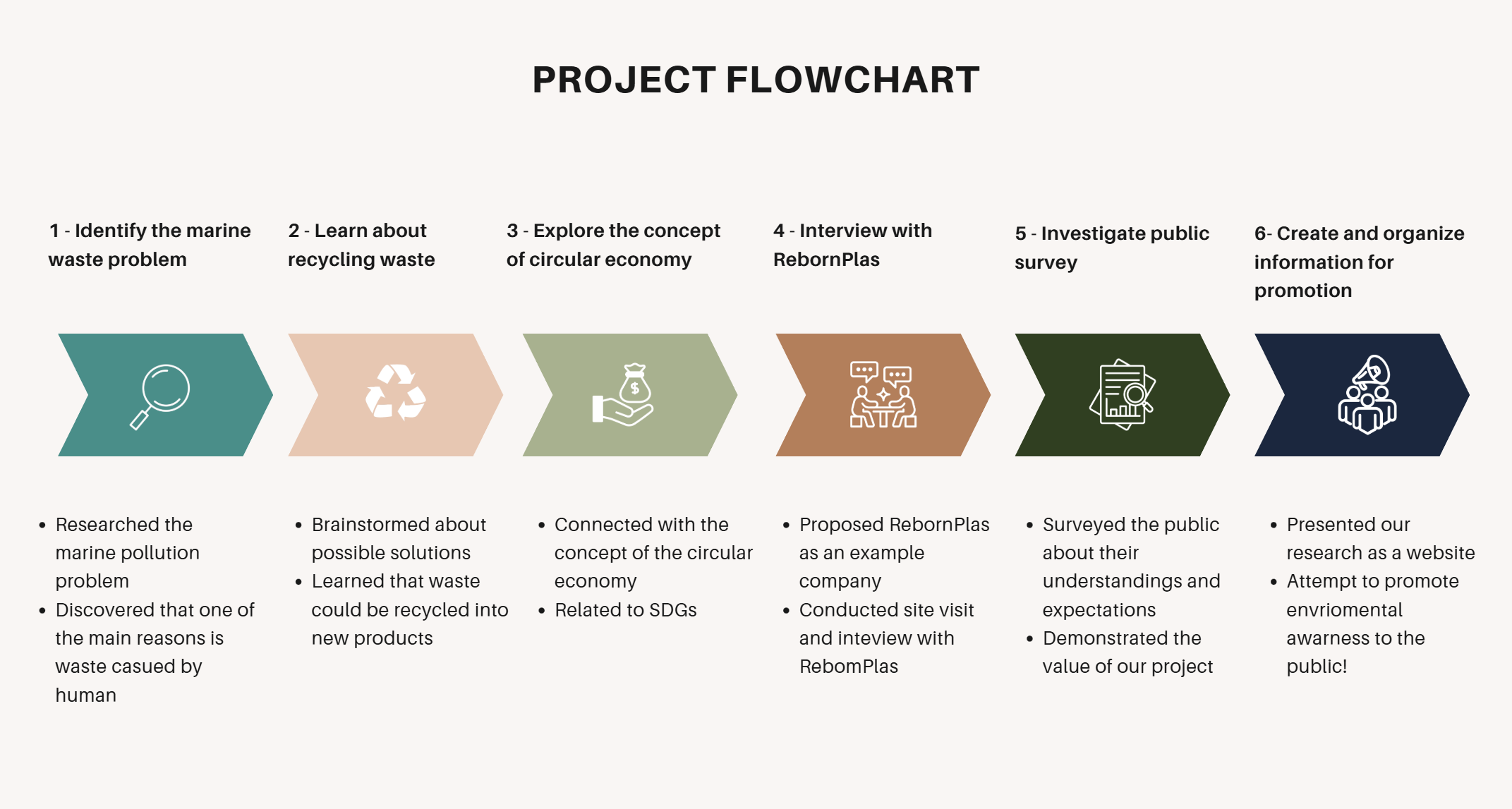
As both local participants and global citizens, our CyberFair team aims to propose solutions to address marine issues beyond simply identifying the problem. With the anxiety of environmental awareness, we discovered an economic concept of the circular economy. We believe trash and waste could be transformed into new available resources instead of threats to the environment. It could, meanwhile, reduce pollution by reducing human waste in the ocean, especially plastic that cannot decompose.
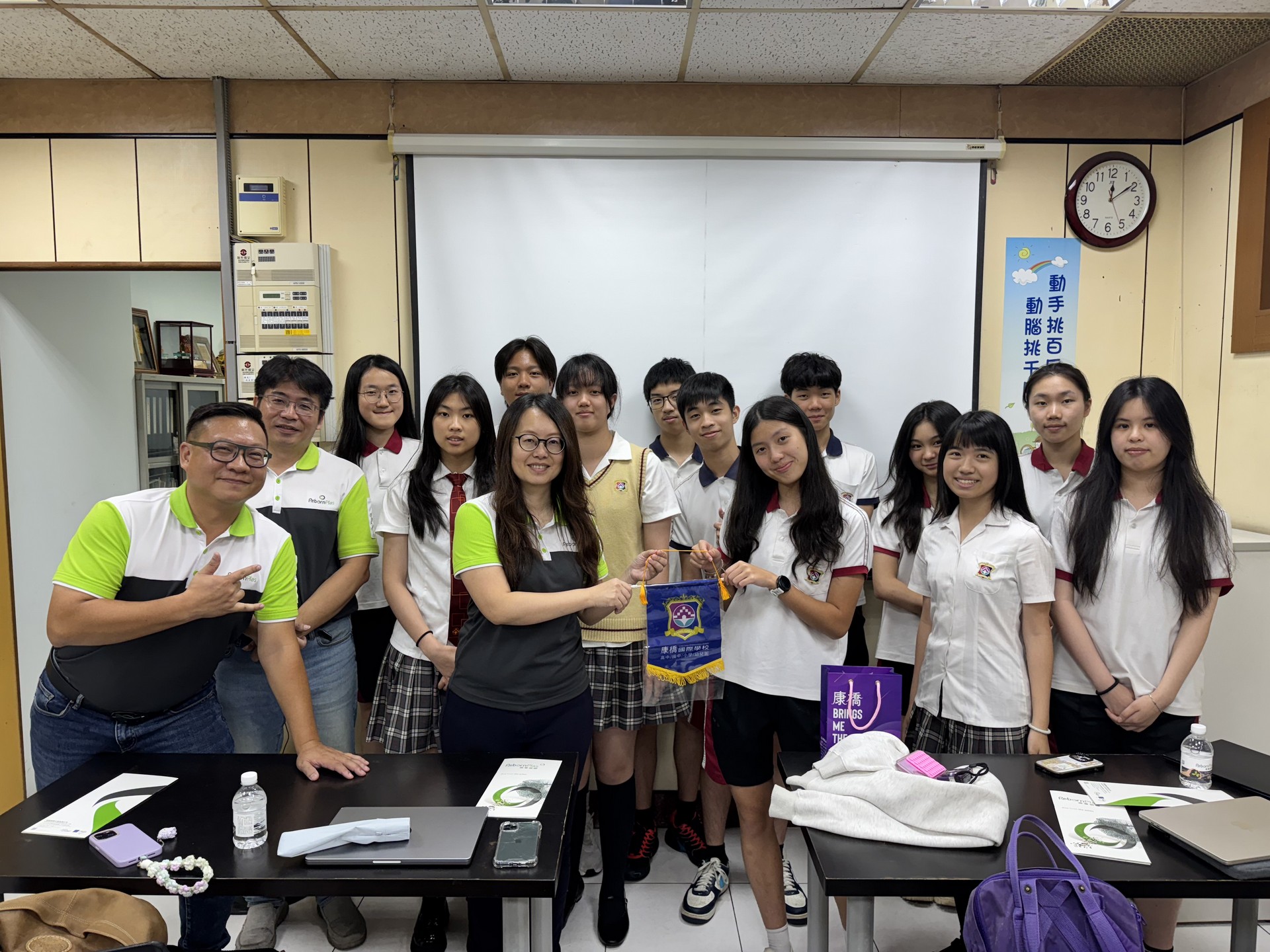
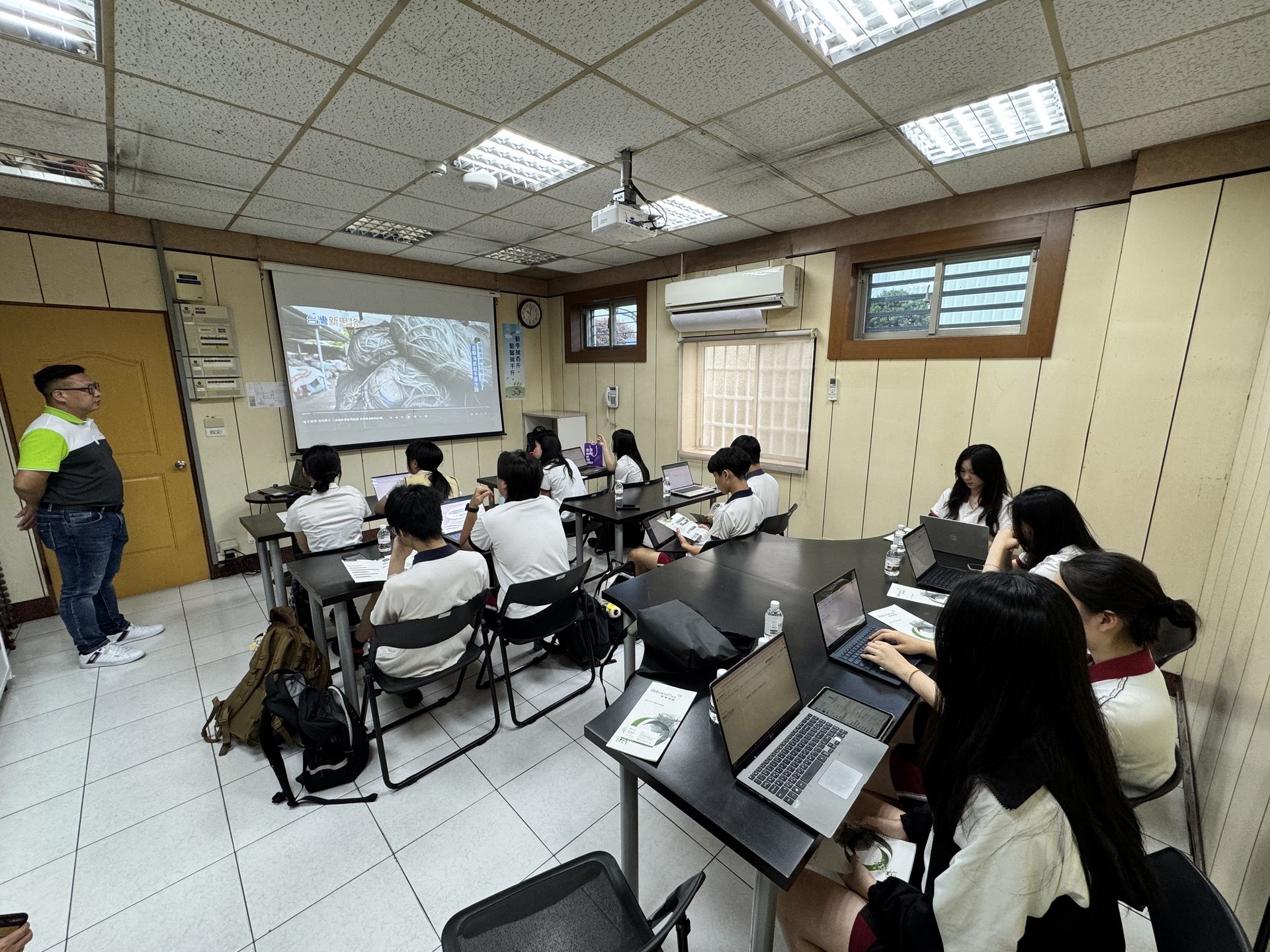
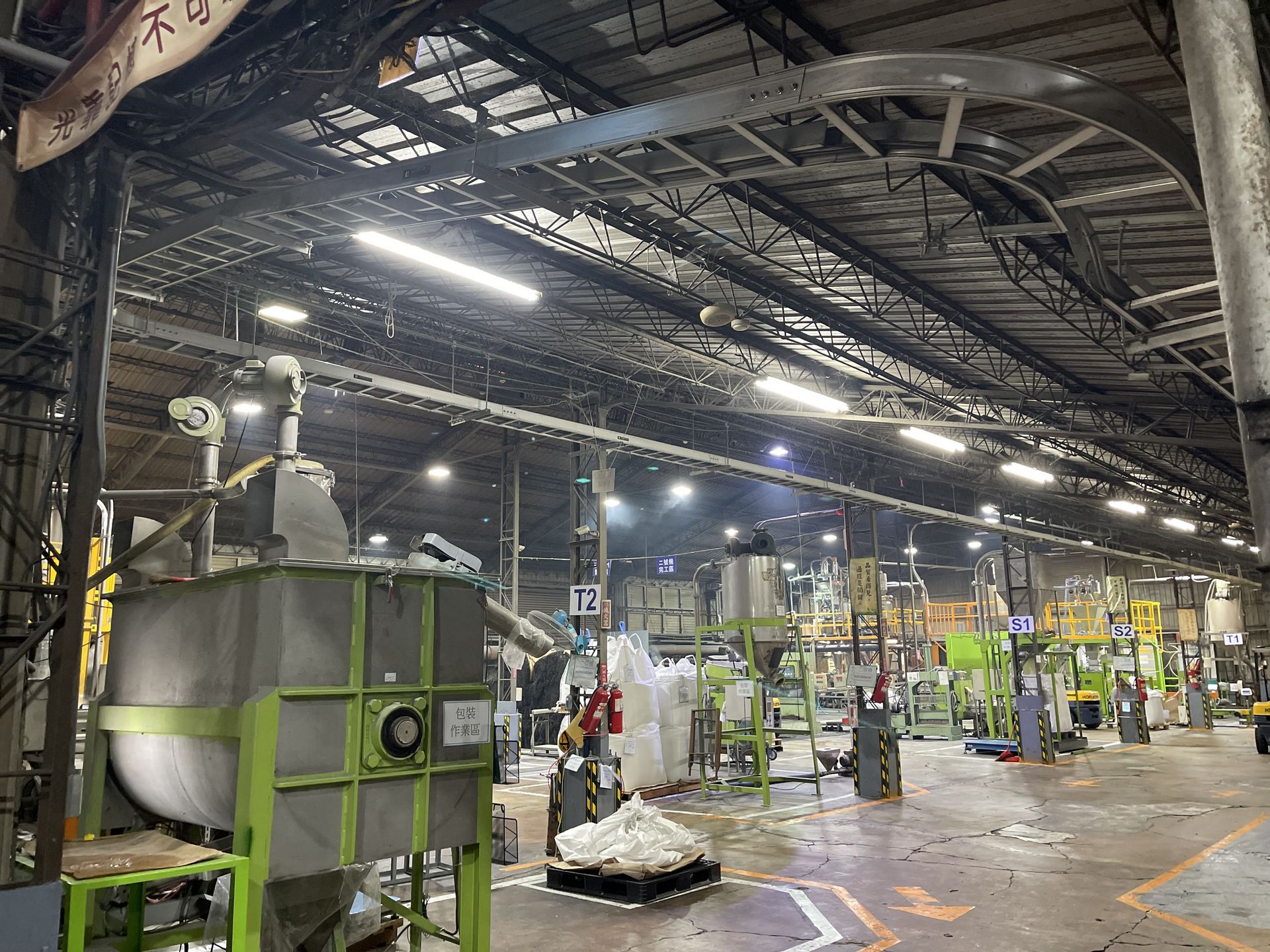
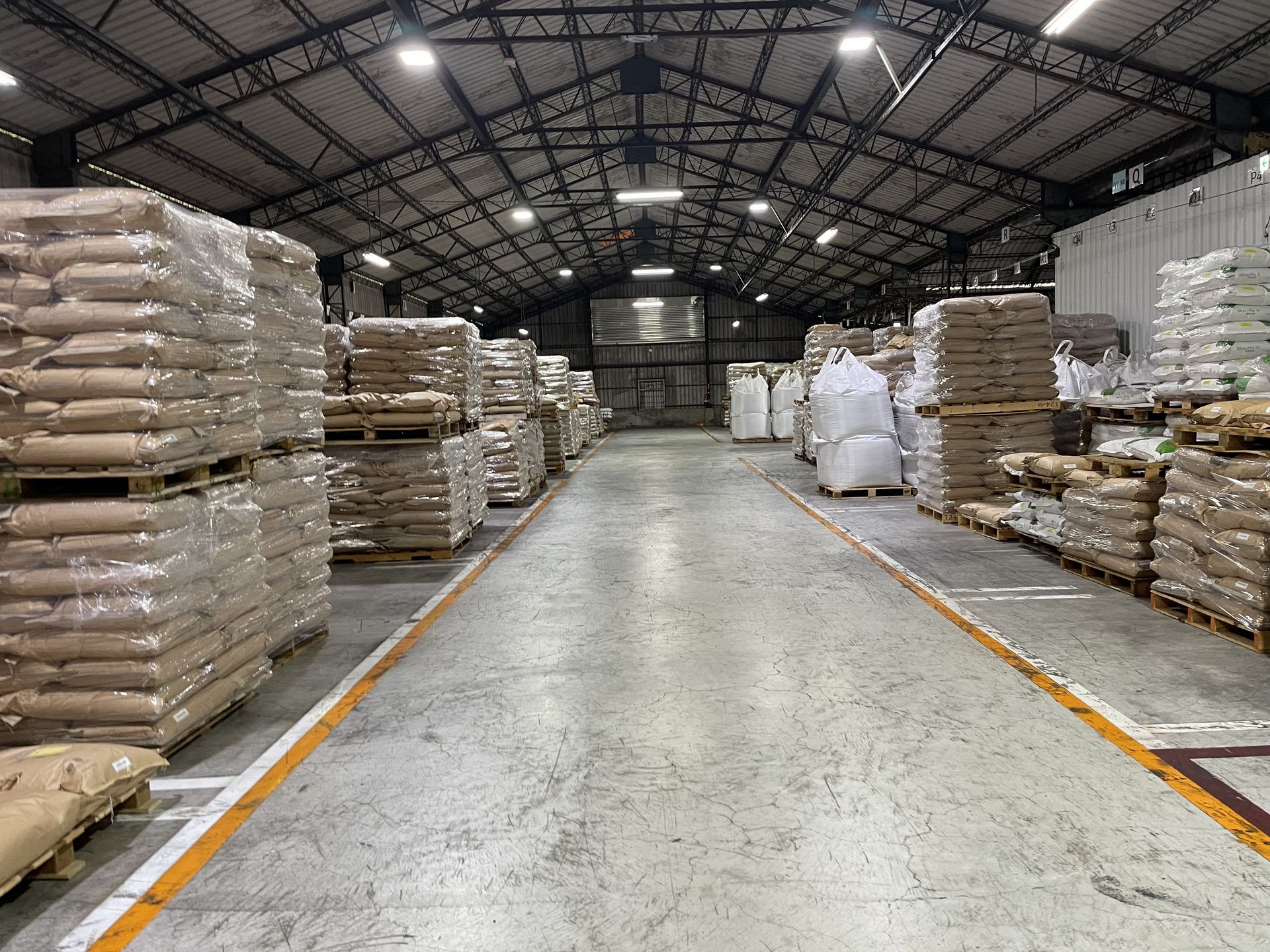
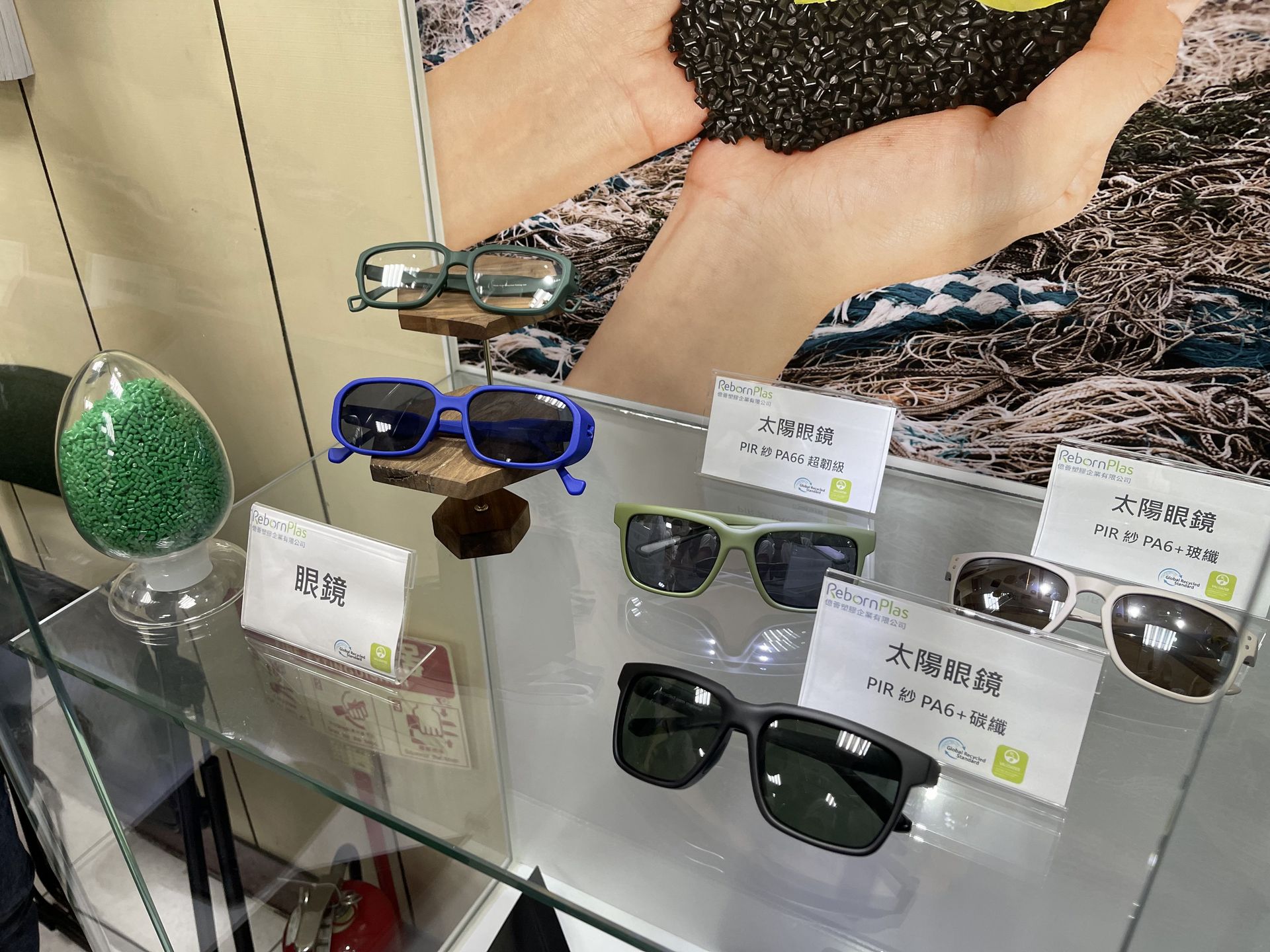
To connect our theoretical ideal with real-world communities, we found a company called RebronPlas. RebornPlas is a company in Taiwan that focuses on the problems of fishing nets entering the ocean as waste, which consequently affects the marine ecosystem. The company collaborates with local communities and organizations to gather and recycle fishing nets while promoting a circular-economy production model. After the collection, they transform wasted fishing nets into new products, which we believe could be a possible model for the circular economy and further reduce the amount of marine waste pollution.
In our project, we aim to unite the power of public opinion and the company’s interviews to contribute to global issues by providing possible solutions. Through our CyberFair project, we are assessing awareness of the marine waste pollution problem and providing possible solutions, using RebornPlas, a company in our community that promotes the circular economy, as an example. All in all, we hope to create a greener, cleaner planet by protecting the marine environment.
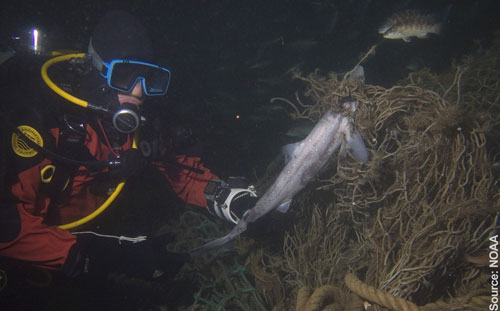
Marine pollution is always a problem that needs to be paid attention to, whether in Taiwan or other nations. For this project, we have conducted an in-depth investigation into the recycling industry of fishing nets and ocean plastic in Taiwan. Our team aimed to study how marine debris recycling contributes to the nylon plastic circular economy, marine pollution, and other extensions of plastic products. While exploring these fields, we gained insights from RebornPlas, which provided us opportunities to visit their company and gain an overview of their unique technology. Throughout this experience, we developed a greater understanding of recycling plastic and its industrial chain. Overall, our project will introduce the RebornPlas company and discuss more about the recycling industry.