

Waste Recycling
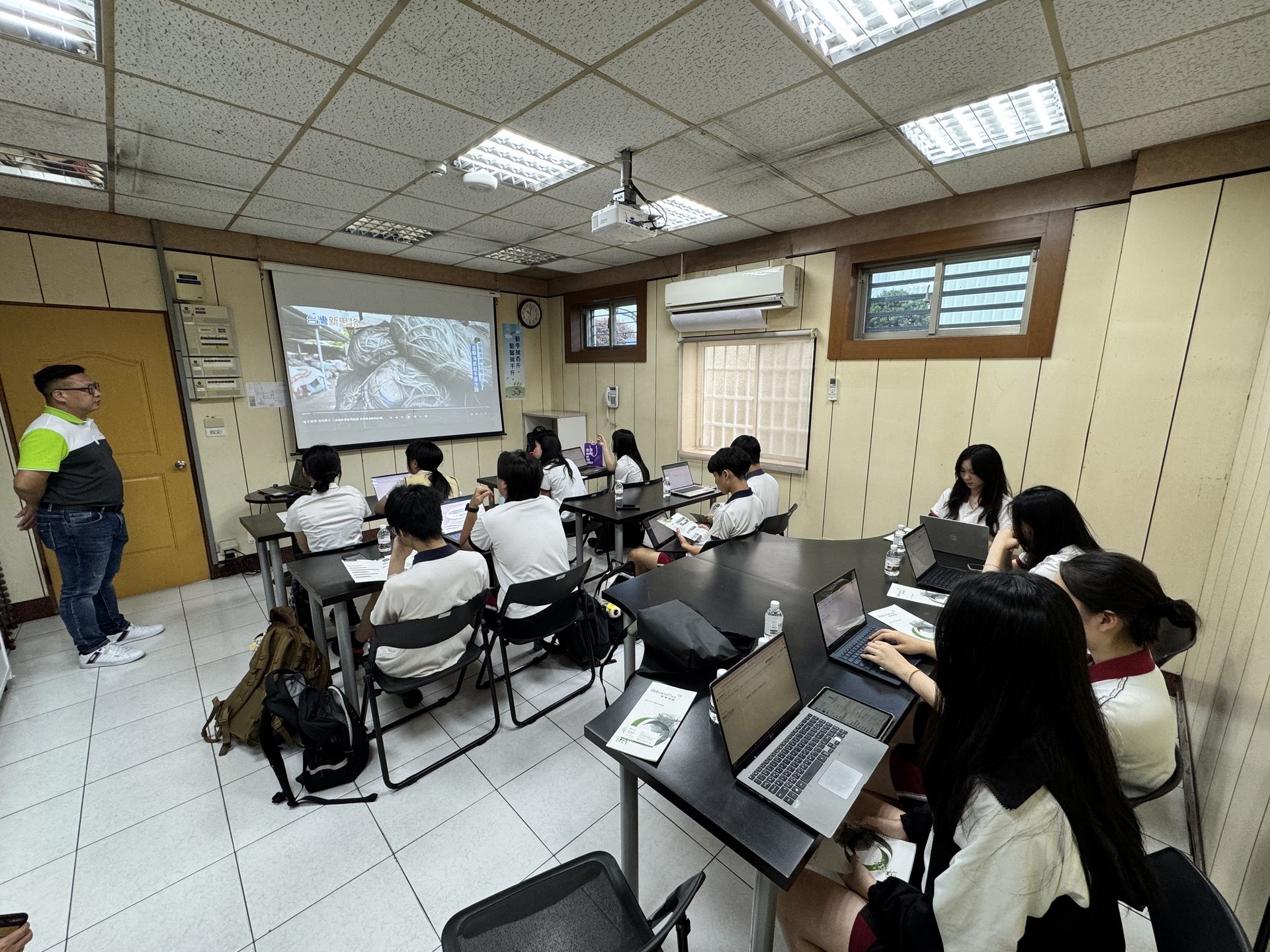
Have you ever wondered how a fishing net can be turned to something we use in our daily life? We will walk you through the process!
Have you ever wondered how a fishing net can be turned to something we use in our daily life? We will walk you through the process!
Waste recycling is the core process within the circular economy. While turning discarded material into resources that can be used again, it would minimize the amount of environmental burden. According to our interview, marine waste recycling serves not only as a disposal method but also as a systematic procedure, playing a crucial role in environmental preservation, industrial protection, and societal responsibility.
The process of recycling begins with recognizing the issue of marine plastic waste. Abandoned fishing nets, in particular, pose a long-term threat to marine life. These nets are collected, organized, cleaned, and processed into recycled nylon pellets rather than being disposed of directly. The pellets can be applied in manufacturing commodities and consumer goods. This step effectively closes the circulatory path, allowing plastics to reenter the production cycle and minimize the dependence on raw materials.
Additionally, waste recycling is both an environmental solution and a social commitment. While companies aim to maintain profitability, recycling initiatives are supposed to provide customers a greater sense of meaning from connecting purchases to positive environmental impact. By ensuring quality and traceability, these materials can be accepted by a broader community and strengthen sustainable development.
Collection & Processing
The cycle starts with the collection of discarded items. While gathering these materials through recycling programs or collection points, they are sorted into two categories: recyclable and non-recyclable. Recyclable substances are cleaned and broken down into smaller pieces.
Manufacturing
The recycled materials that have been processed can be used to produce new products, which effectively lowers the demand for raw materials. In this case, energy consumption and environmental consequences are minimized.
Purchasing
The last step is purchasing. Consumers buy products made out of recycled materials. When consumers choose to purchase recycled products, it support the operation of the circular economy and empowers businesses to generate more sustainable products.
Discarded fishing nets are one of the most problematic types of marine waste that pose an intense environmental issue. These nets can persist in the ocean for decades, trapping marine life and harming coral reefs. Even though recycling the discarded items seems like a practical solution, the process is much more difficult than recycling other trash. Companies like RebornPlas have dedicated themselves to the environmental conservation field in order to turn this waste into profitable materials, yet constantly facing challenges during the transformation from ocean trash to functional raw materials.
Extreme Contamination
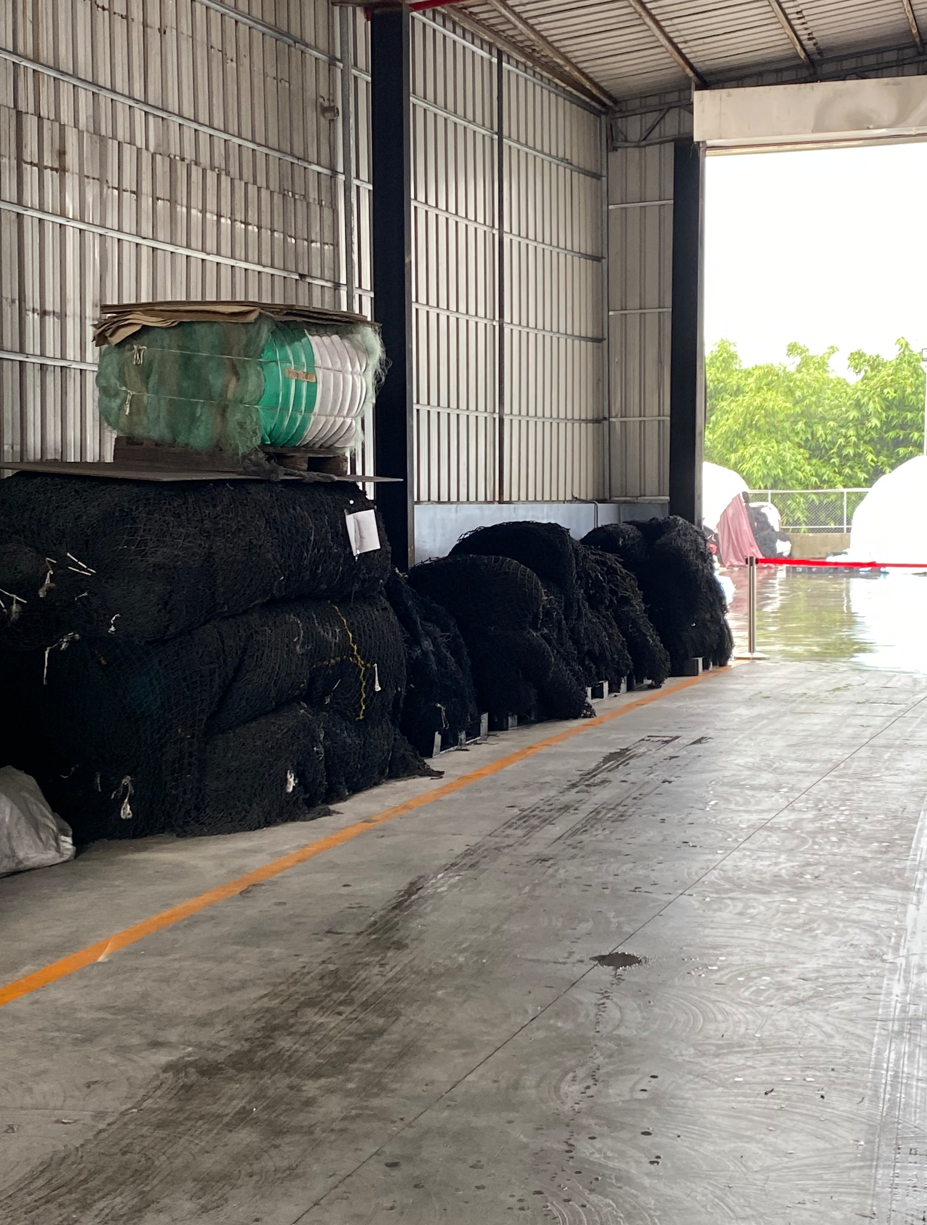
When these ghost nets are pulled from the ocean, they are heavily saturated with salt, sand, and organic biofouling such as barnacles and seaweed. Furthermore, these nets are highly absorbent; a wet net can be 30% to 50% heavier than a dry one. This moisture necessitated drying. If any moisture remains, it vaporizes, creating bubbles or voids that could compromise the integrity of the recycled plastic.
Mixed Materials and Sorting
Fishing gear is rarely composed of a single material. It typically consists of a complex blend of Nylon 6 (Polyamide), Polyethylene (PE), and Polypropylene (PP). These polymers are chemically incompatible, and each has different melting points. Processing them as a mixture results in a low-quality, brittle material that’s useless in high-end products. Consequently, it is time-consuming to sort all the different materials separately.
Material Degradation
Constant exposure to UV radiation and the corrosive maritime environment triggers photo degradation. This process breaks the long-chain molecules of the plastic into shorter fragments, severely reducing its strength and elasticity. This means the raw material is inherently compromised compared to new plastic.
The transformation of discarded fishing nets into recycled plastic is an essential step in closing the loop of the circular economy. Fishing nets are primarily made of strong materials such as nylon, which are designed to endure harsh marine conditions. While this is a major environmental threat when discarded fishing nets are left in the ocean, it is also a major advantage when it comes to recycling them into high-quality recycled plastics.
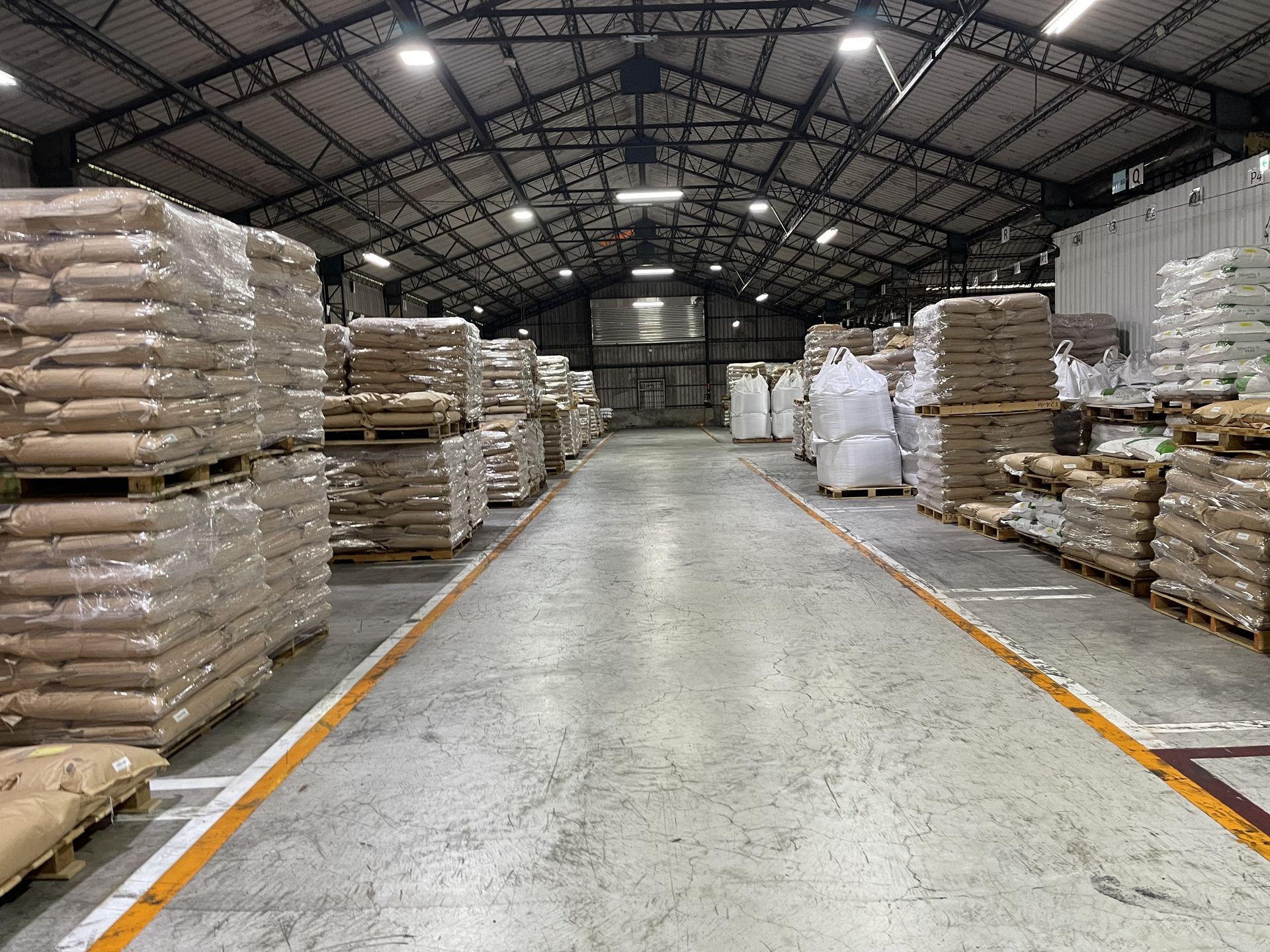
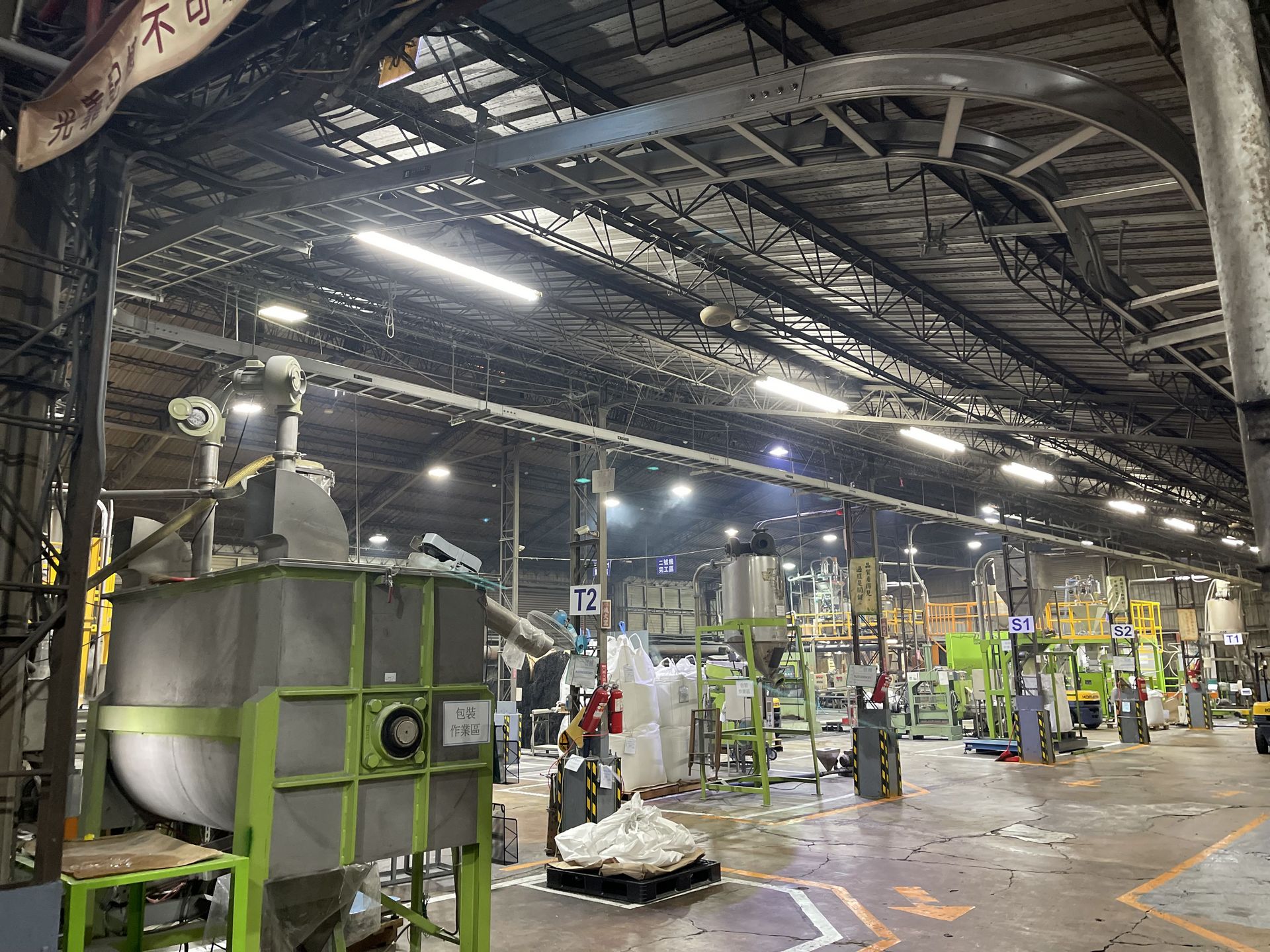
The transformation of discarded fishing nets into recycled plastics starts immediately after collection and initial cleaning. Used fishing nets are first sorted into different materials for effective recycling into plastics. Impurities in the discarded fishing nets, such as salt, sand, organic substances, and metals, are removed through washing and separating them from the fishing nets.
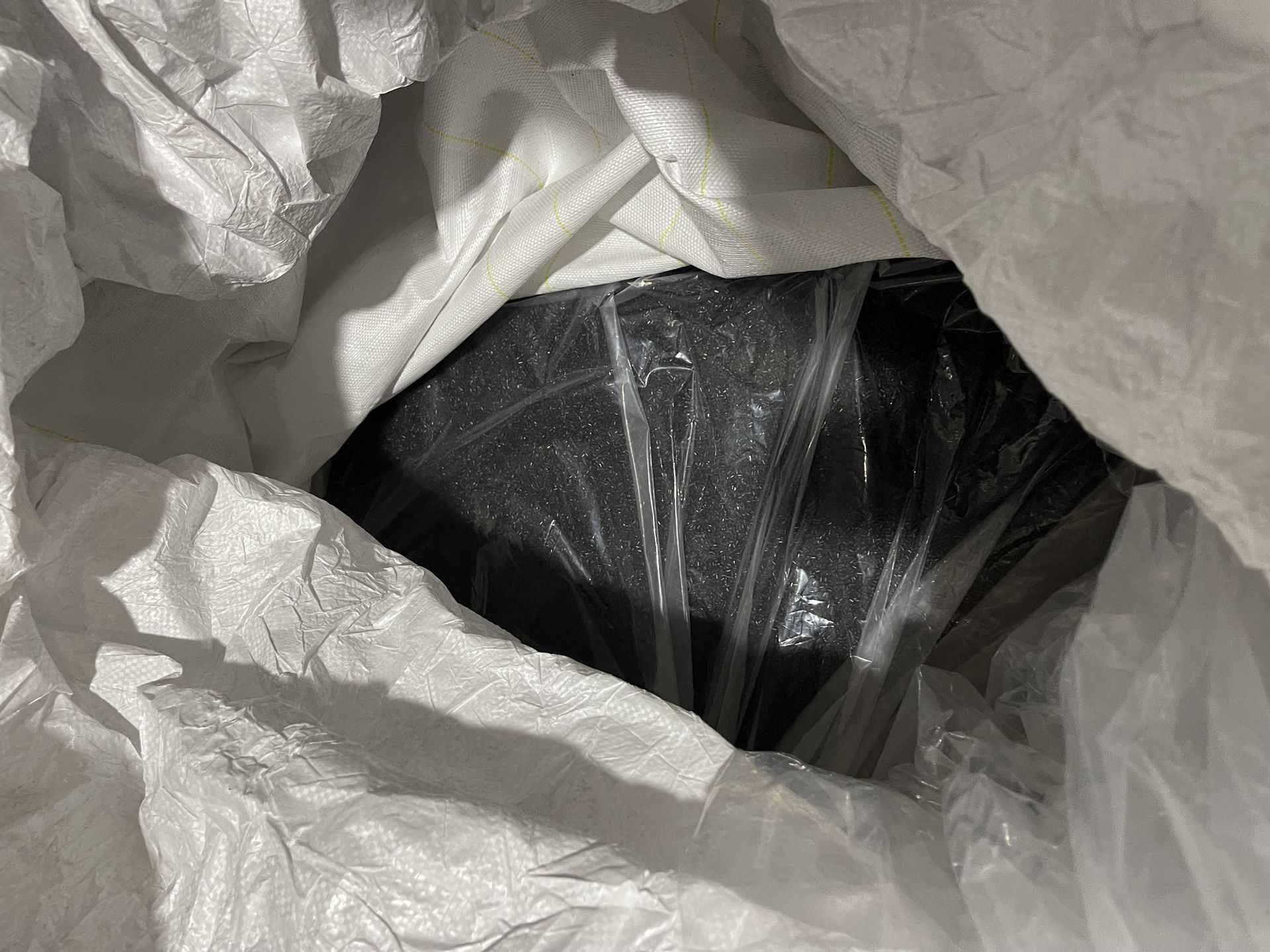
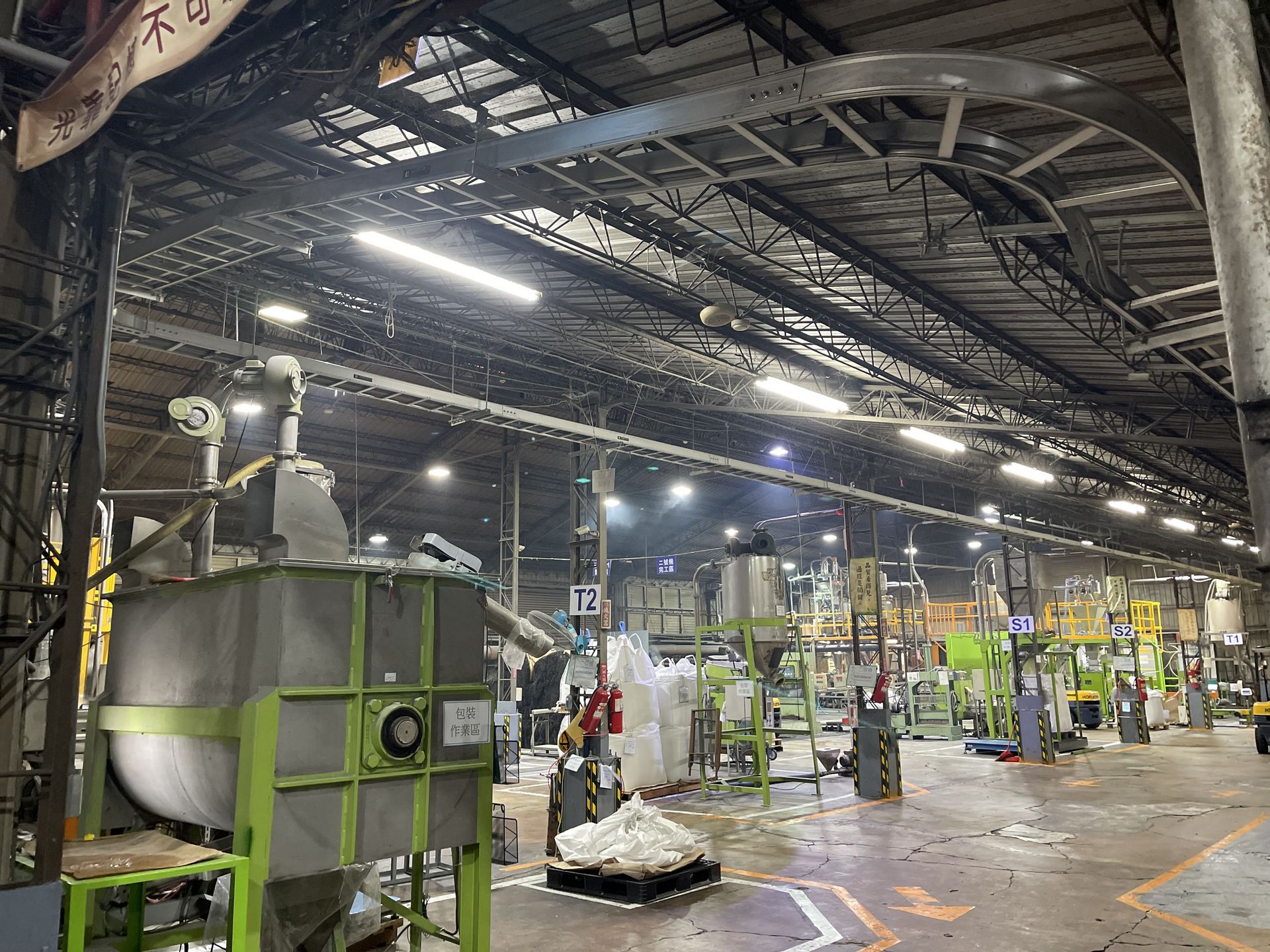
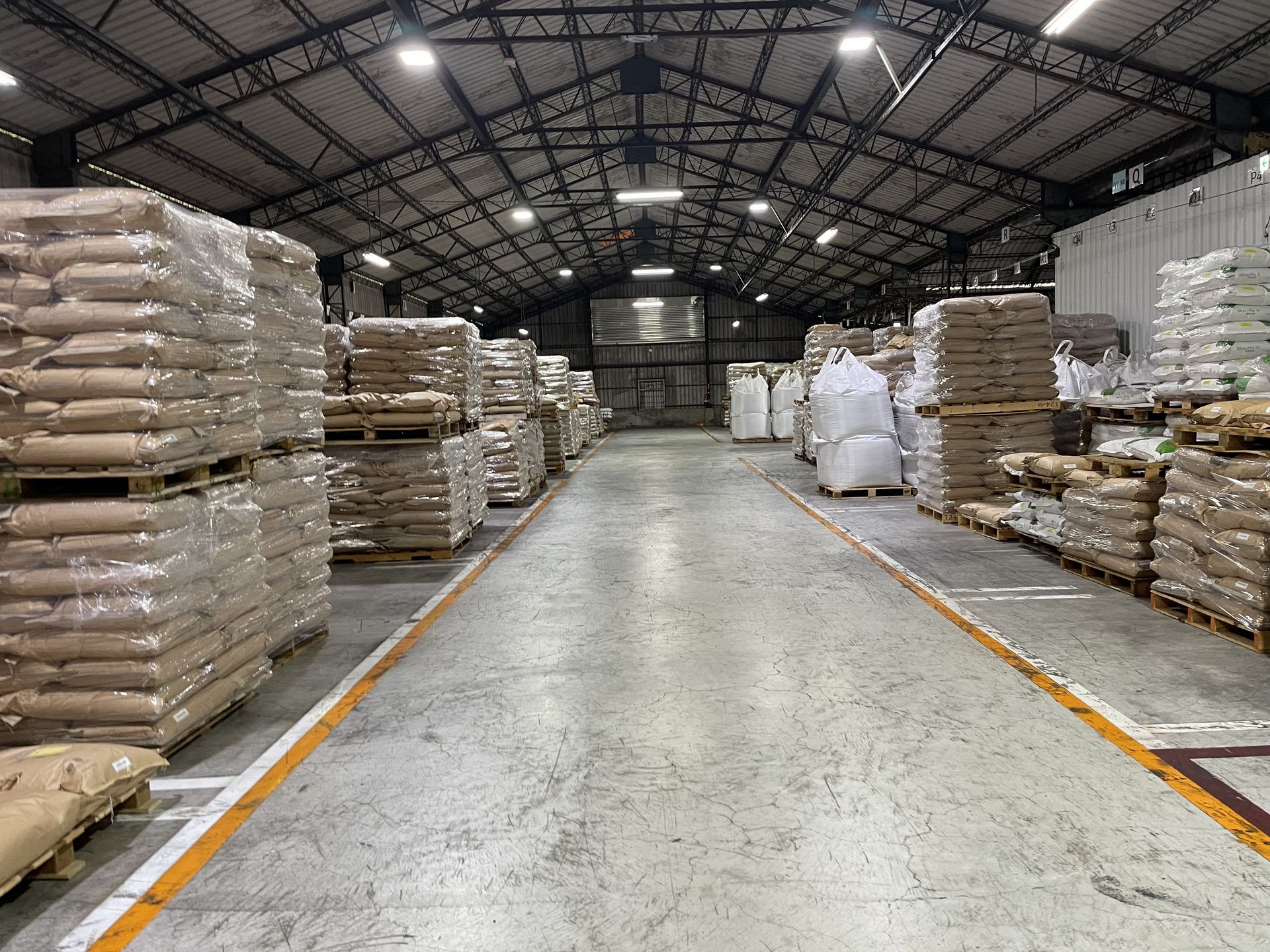
After cleaning, the nets are broken down into smaller fragments and then melted under controlled conditions. The molten material is filtered to remove remaining impurities and processed into recycled plastic pellets. This recycled material has the same mechanical properties as the material from which it was made; thus, it can be reused in the manufacture of different products for both industrial and personal use.
The process of converting fishing nets into recycled plastic allows waste to be turned into a valuable resource. This process reduces the demand for virgin plastic, uses less energy than producing new materials, and helps lower overall carbon emissions. Additionally, it demonstrates how marine waste can be integrated into the production chain, shifting from an environmental crisis to a potential for sustainable manufacturing and long-term environmental safeguard.