What is circular economy?
Circular economy in simple terms, is the use of waste products and turn them into new products!
Circular economy in simple terms, is the use of waste products and turn them into new products!
Approximately 71.25% of the world's surface area is covered by marine environments, and is home to about 90% of the world's known species on the planet. Regardless of the massive capacity and variety of marine ecosystems in the ocean, marine threats still occur and constantly devastate marine species and worsen the planet’s health.
The first kind of marine threat is the most well-known and ultimately a severe global issue. Environmental pollution is the introduction of hazardous substances or energy into a certain environment, which may have negative effects and harm to the environment, which may lead to undesirable consequences to humans, animals, and plants. Environmental pollution includes nonpoint source pollution, which is how water or natural elements absorb pollutants and inevitably carry them into the ocean. Furthermore, littering and emitting synthetic hazardous substances into the environment also account for a great majority of environmental pollution.
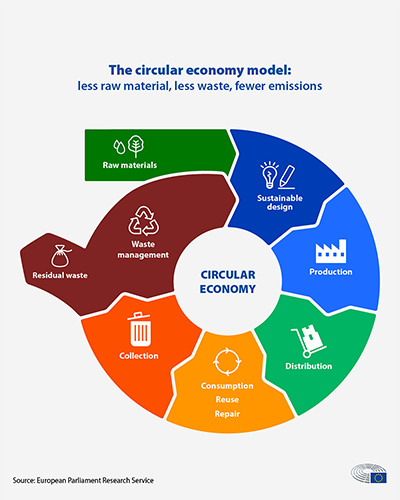
Traditional linear economics is when raw materials are bought in at the lowest possible price, assembled into manufactured goods by low-wage workers, and then sold at the highest price to try to aim for the maximum profit from the buyers. The idea of linear economic models has long been the dominant form of economic activity since the 20th century. The benefits of a linear economic system are the low cost of production and the high revenues generated, which would benefit the company. However, in modern times, this type of economy is becoming more and more impractical, as the continuous massive extraction of raw materials has had a huge impact on our environment.
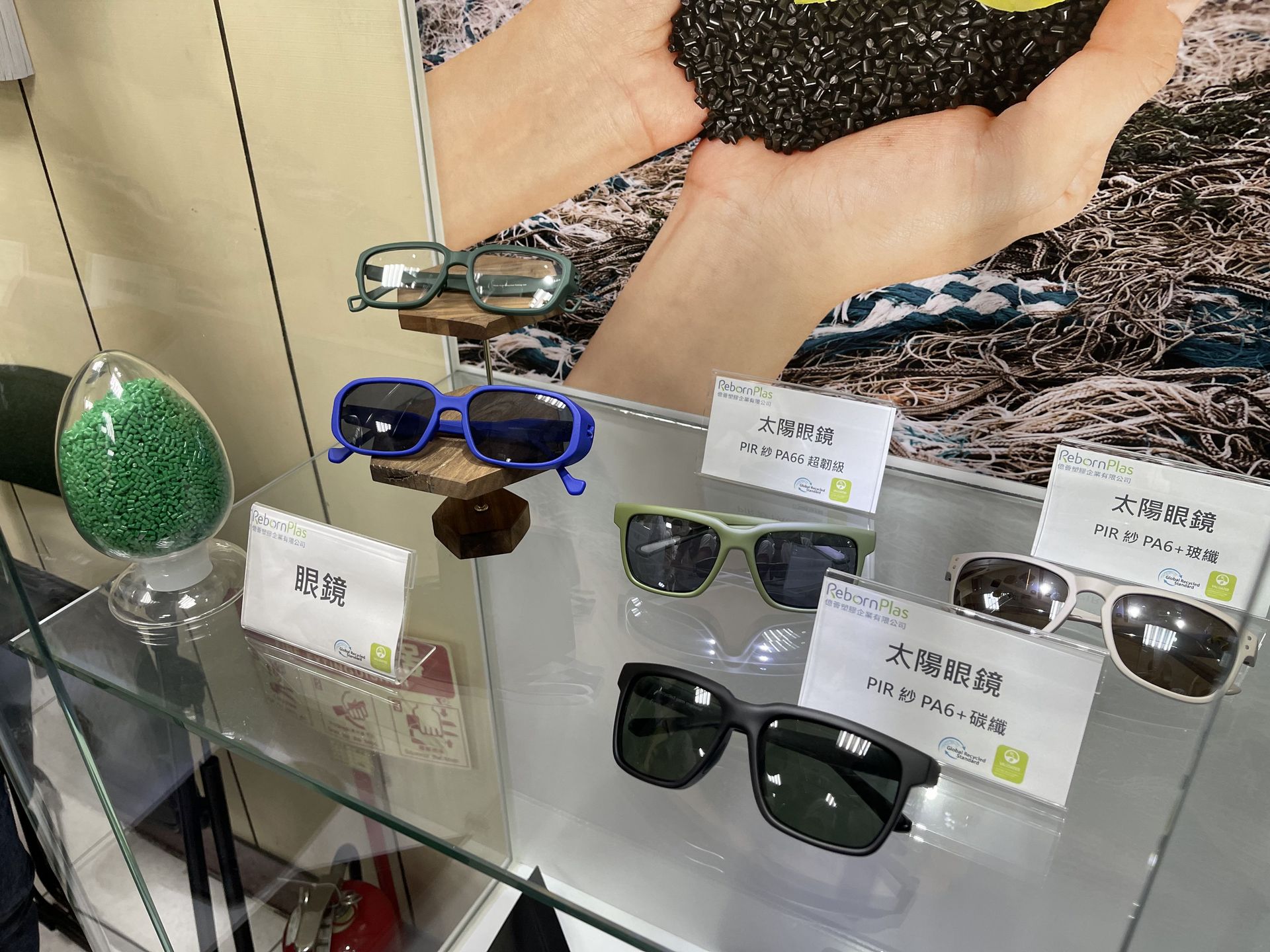
Linear economic models have already brought significant damage to our planet and the environment we live in. Take fishing nets, for example, they are made out of nylon materials. However, due to the high repair and maintenance costs for the fish nets, many of the fish nets are abandoned deep in the sea. Therefore, these nets are also called “ghost nets”, which can harm the marine animals. For example, sea turtles trap
The current linear model of plastic production is causing extensive environmental harm: take, make, use, and dispose. By recycling ocean plastics, companies and communities transform the traditional system into a newly developed one, where plastics are eliminated, reused, and recycled to prevent them from becoming waste. For instance, according to the study published by Science Advances, around 79% of all plastic waste ended up in landfills and natural environments (Geyer et al., 2017). This shows how unsustainable the current linear system is and how essential recycling ocean plastic is.
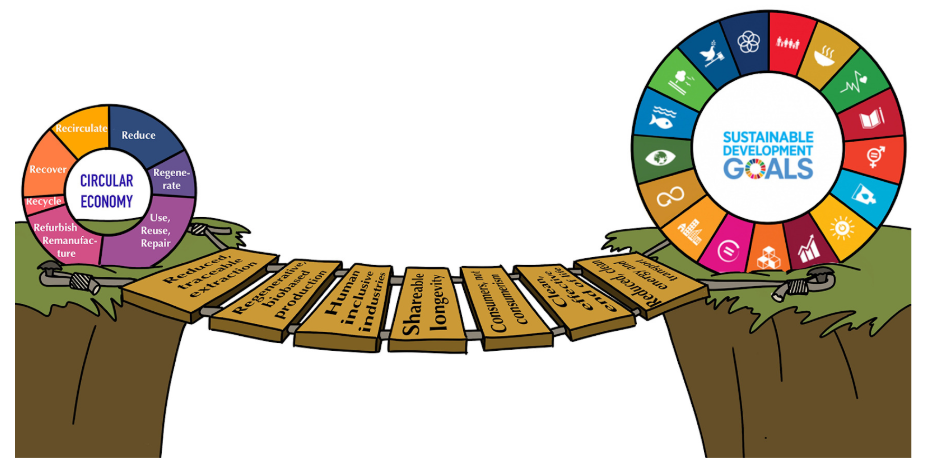
The circular economy contributes to SDGs by achieving the goals of 12 and 14. SDG 12 is Responsible consumption and production, which aims to use our planet’s resources sustainably and avoid overproduction. Such examples include reducing waste and turning it into reborn products. This connects back to the structure of the circular economy for recycling those products that have met their end of life, and transforming them into new products, which then creates a sustainable economic system.