The RebornPlas acknowledges the issues arising from the linear economy system most modern companies use, such as pollution in marine ecosystems and the waste of resources. In a linear economic model, resources flow in one direction: the industry extracts raw materials, manufactures products, and eventually, the consumers dispose of the waste material. The waste materials are brought to landfills or incinerators, causing the emission of greenhouse gases. The rest of the waste then flows into the ocean, polluting the marine ecosystem along the disposal process, while wasting the potential of reusing natural resources. If the resource materials continue to flow in one direction without being reused, the overconsumption of natural resources will eventually lead to the depletion of the ecosystem.
The RebornPlas chooses to narrow down on the issue of waste material, focusing on the problem of waste fishing nets entering the marine ecosystem. Through investigation, RebornPlas notices that fishermen would cut down the fishing net and dispose of it directly into the ocean due to the lack of motivation to recycle it. The disposed fishing nets often cause entanglement of marine animals and damage coastal reefs. Also, waste fishing nets will turn into smaller particles with time when exposed to sunlight and saltwater, leading to microplastic pollution. When marine animals consume these microplastics, these plastic particles enter the food chain and affect human health.
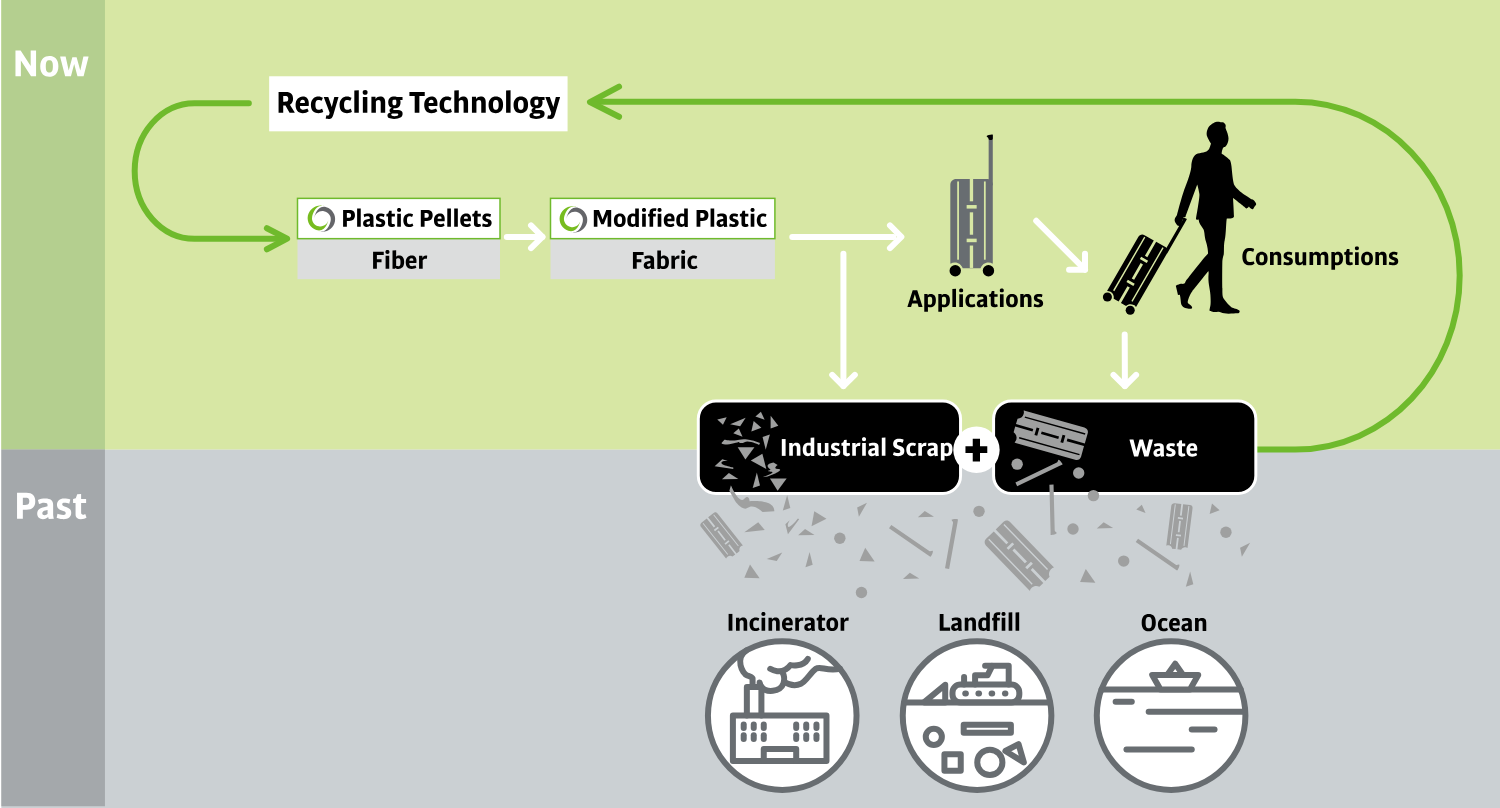
To solve the problem, RebornPlas practices the circular economy model. They collaborate with both local and international organizations and the fishermen's association to recycle the fishing nets. They turn the waste fishing net into nylon pellets, then process the nylon pellets into various products. By utilizing recycled fishing nets as their source of material, RebornPlas prevents the waste of material and pollution while allowing the product to re-enter the circular economy. RebornPlas also perceived other problems at the start of the industry. The public has a negative impression of the products made from recycled materials, viewing the product as low quality since they are made from cheap materials. Also, people lack the motivation to recycle the material. If customers dispose of the product made from recycled materials, the waste material will still be wasted. RebornPlas believed that these issues must be addressed to practice a circular economy and marine conservation.
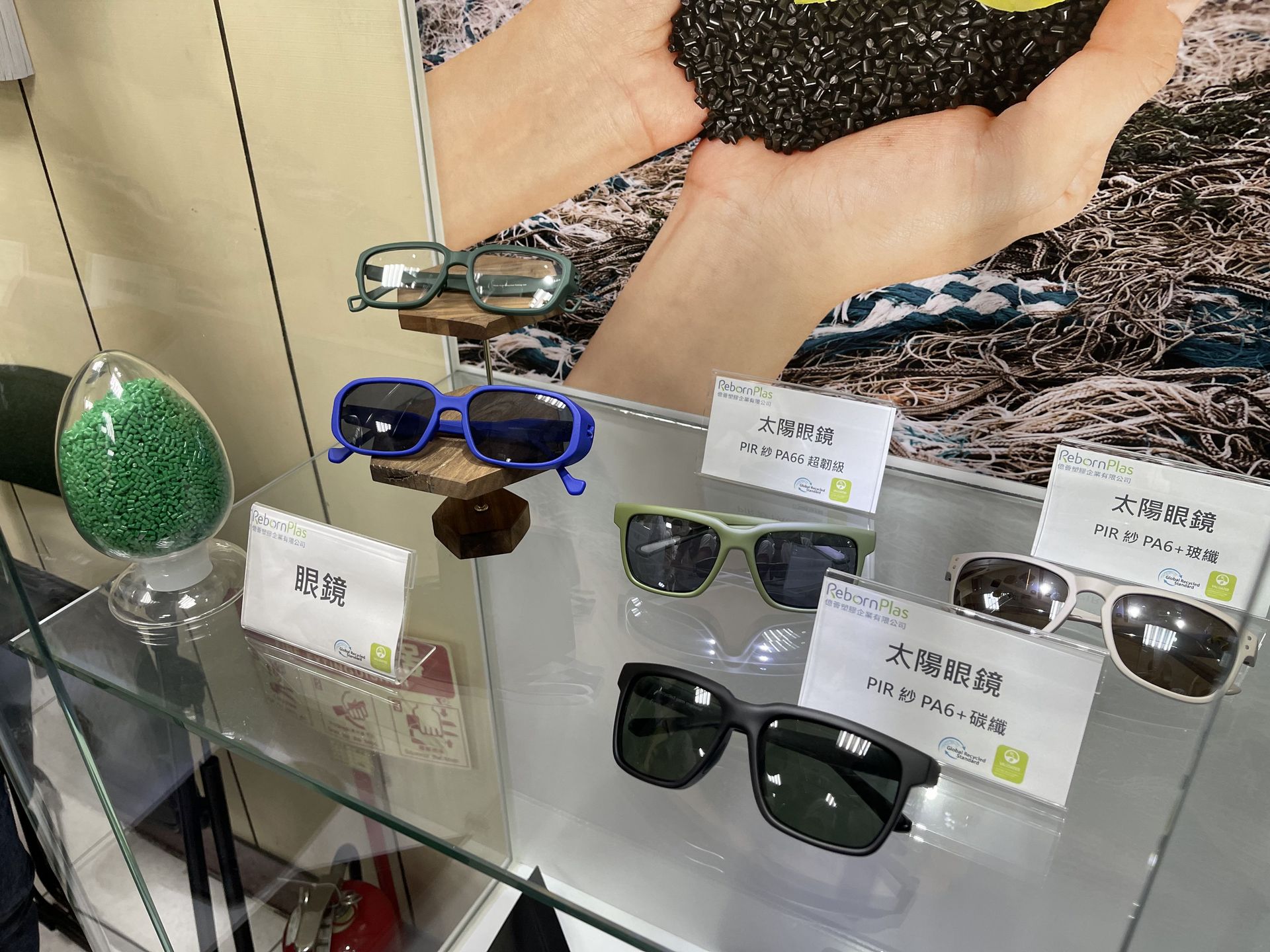
Marine plastic pollution is a serious global problem. RebornPlas aims to promote a circular economy by reforming new industrial approaches that help protect the marine environment. Through recycling waste fishing nets, RebornPlas transforms discarded materials into nylon pellets, which can then be used to manufacture a variety of products, including but not limited to: bicycle components, office chairs, and suitcases. RebornPlas hopes to inspire other businesses to adopt circular economy practices to help marine conservation.
RebornPlas was established in 2003, located in the Guanmiao District, Tainan City. At first, the company mainly focused on recycling nylon waste to produce recycled plastic pellets. Nevertheless, to cope with market changes, RebornPlas introduced composite material production equipment and entered the field of composite materials in 2008. After this decision, they have been working on research, development, and modification of nylon composite materials. However, RebornPlas noticed that the number of domestic manufacturers that produce basic plastic pellets is decreasing. Since the quality of raw material pellets determines the quality of recycled composite materials. To ensure the high quality of the raw materials pellets, RebornPlas has integrated their long-term experience into their system and business knowledge. They also established a vertical integration production process that ensures the overall stability and reliability of their product, a process starting from the extraction of raw material to the production of composite materials. Recently, RebornPlas has positively and actively participated in marine conservation efforts through recycling fishing nets. RebornPlas discarded the fishing nets into high-quality and well preformed recycled nylon pellets, providing new life value for ocean wastes.
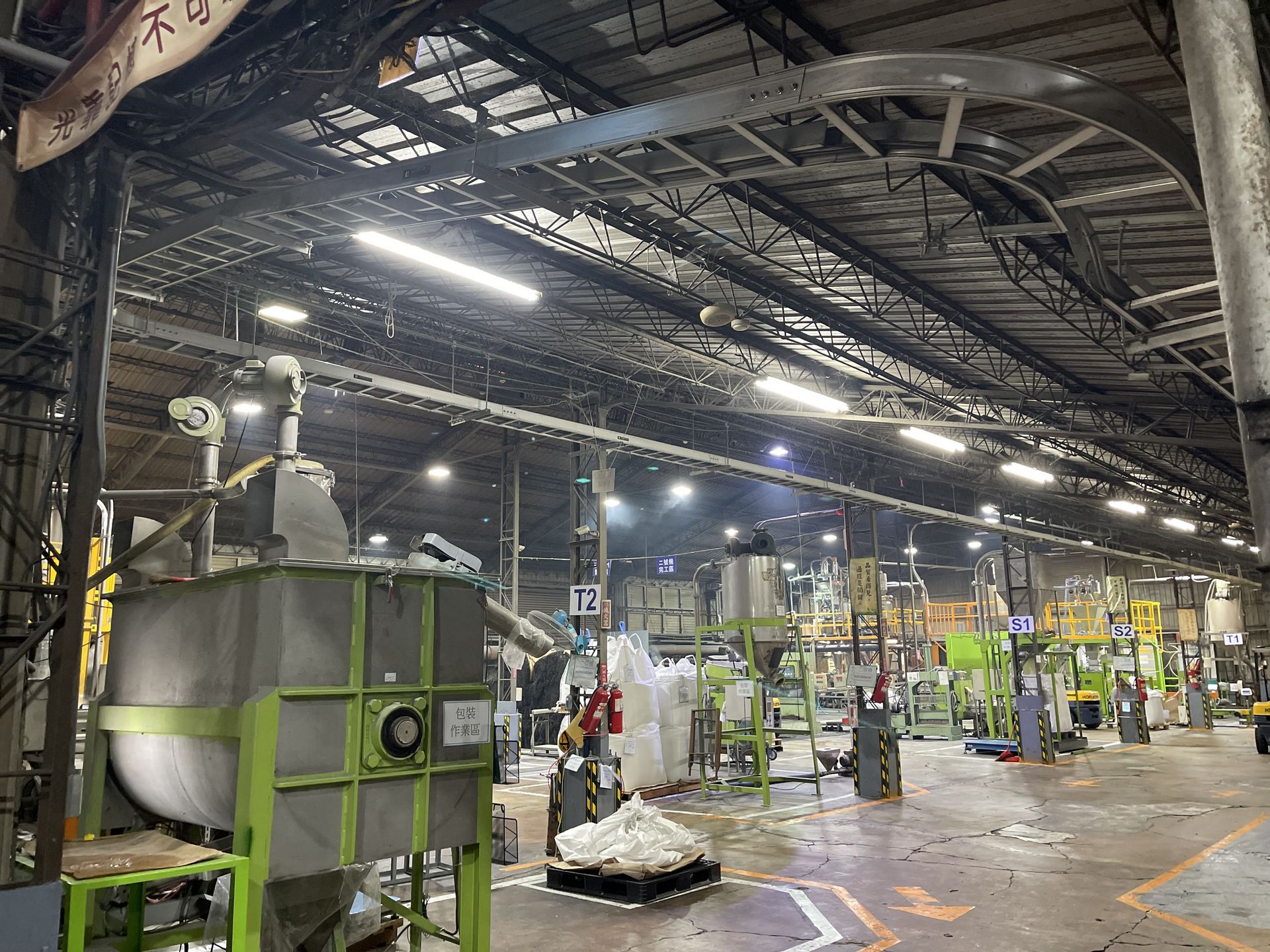
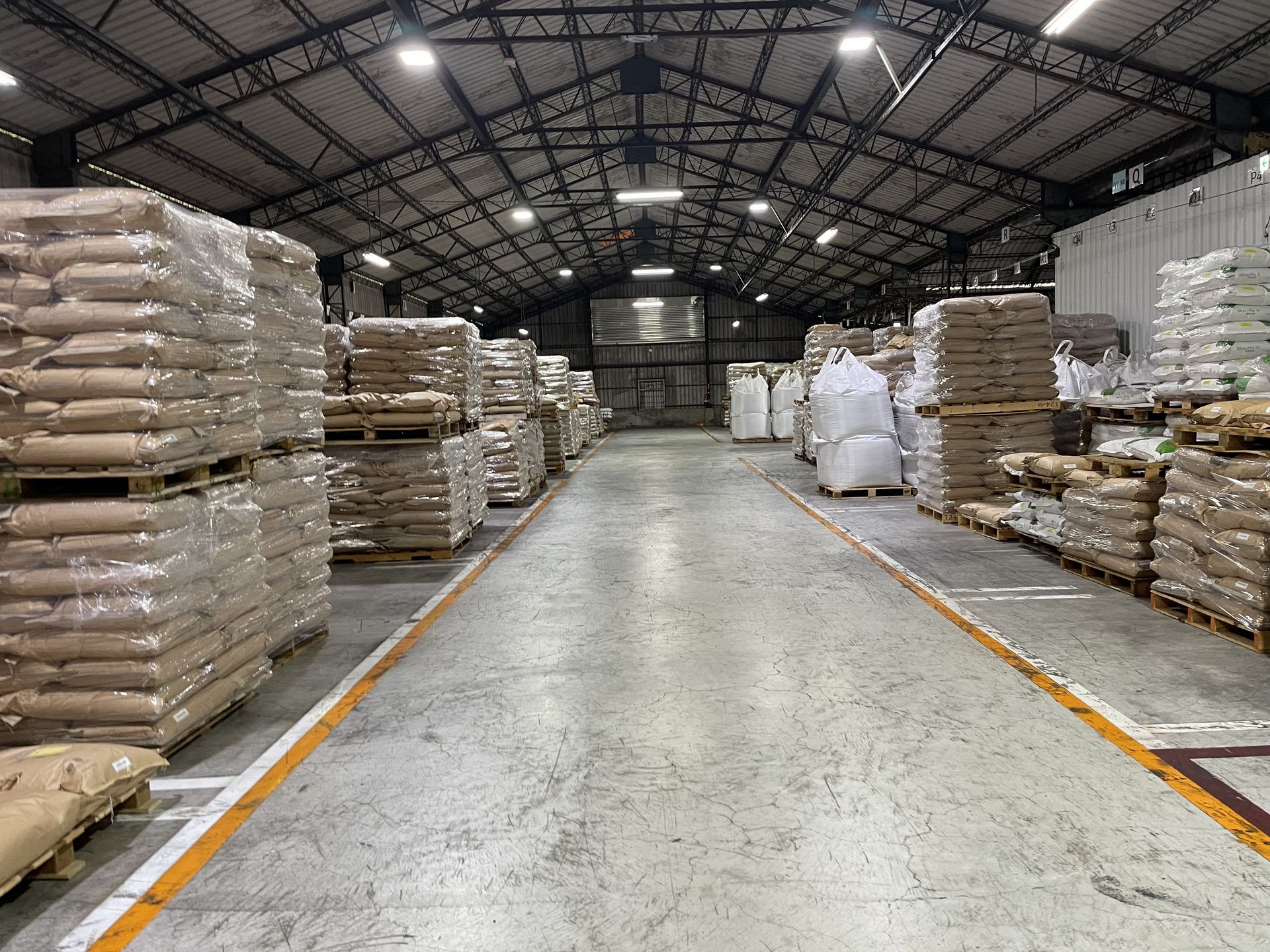
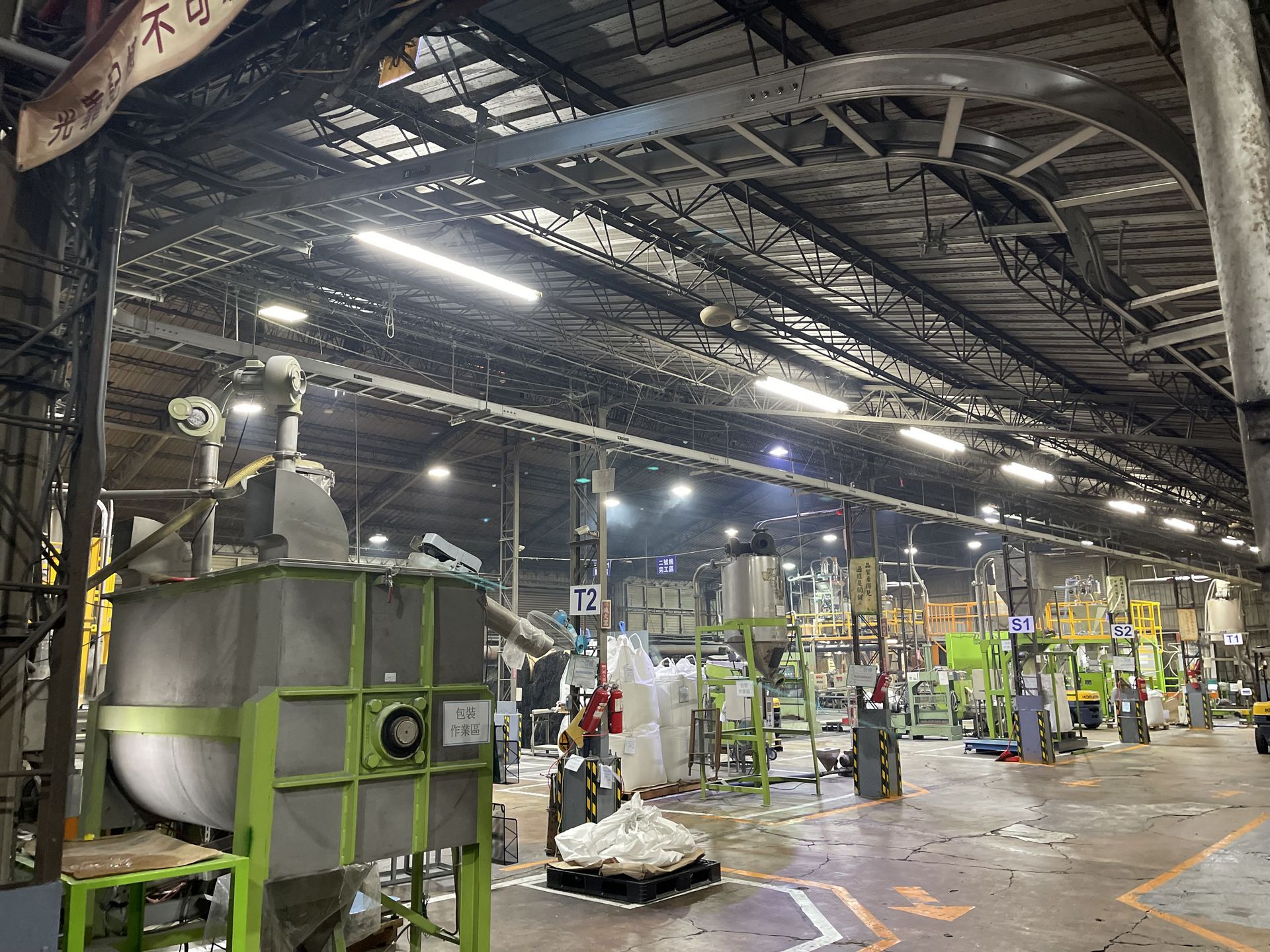
RebornPlas implements a strict quality control process: Incoming Quality Control, Input Process Quality Control, and Final Quality Control to ensure that all products meet the required standard. The company uses mechanical recycling rather than chemical recycling to process the waste fishing nets. This mechanical recycling includes several processes: segregating, washing, cutting, and then melting. Before recycling begins, RebornPlas buys waste fishing nets from the fishermen’s association, the local government, and some Southeast Asian countries. Once collected, the fishing net undergoes Moisture Content Inspection, as water in nylon can negatively affect material performance. This inspection allows the company to select suitable materials for processing. The fishing nets are then sorted based on the type of plastic they are made of. After sorting, contaminants are removed through the washing process, resulting in cleaner material. After cleaning, the fishing net will be cut into smaller pellets to help the following process. In the melting process, the fishing net pallets are melted into a strip at high temperatures, returning to the raw material. After it has cooled down, the nylon strips are cut into nylon pellets and then sealed in a vacuum bag to prevent them from contacting the water in the air.
After the waste fishing net is turned into nylon pellets, the company will test its product performance to ensure the quality by making test specimens to test the product’s physical properties, such as heat deflection temperature, tensile strength, and impact strength. Other materials not used may be blended with the nylon pellets to modify specific physical properties required by the customer. Following performance testing, nylon pellets are classified into several categories based on their physical property: General Grade, Glass Fiber Reinforced, Glass Fiber Reinforced / Impact Modified, Mineral Reinforced, Glass Fiber & Mineral Reinforced, and Impact Modified. RebornPlas determines the appropriate type of nylon pellets to use in manufacturing, based on the physical property requirements of each product.
One major advantage of mechanical recycling is its environmental sustainability compared to chemical recycling. Mechanical recycling does not generate waste materials or chemical pollutants during the process. In contrast, chemical recycling requires the use of chemicals to depolymerize nylon from fishing nets, which can result in chemical waste and pollutant emissions. There is more equipment that is also needed to perform chemical recycling. Furthermore, waste fishing nets are collected before being disposed of in the ocean, thereby preventing marine pollution.
RebornPlas has over 20 years of experience in the field of circular economy and marine conservation. Domestically, the company gains recognition from the government agency. Government units, including the Industrial Technology Research Institute or the Ministry of Environment, frequently bring visitors or corporate groups, such as delegations from iPad member countries, to RebornPlas’s facilities to observe the implementation of circular economy practices in industry.
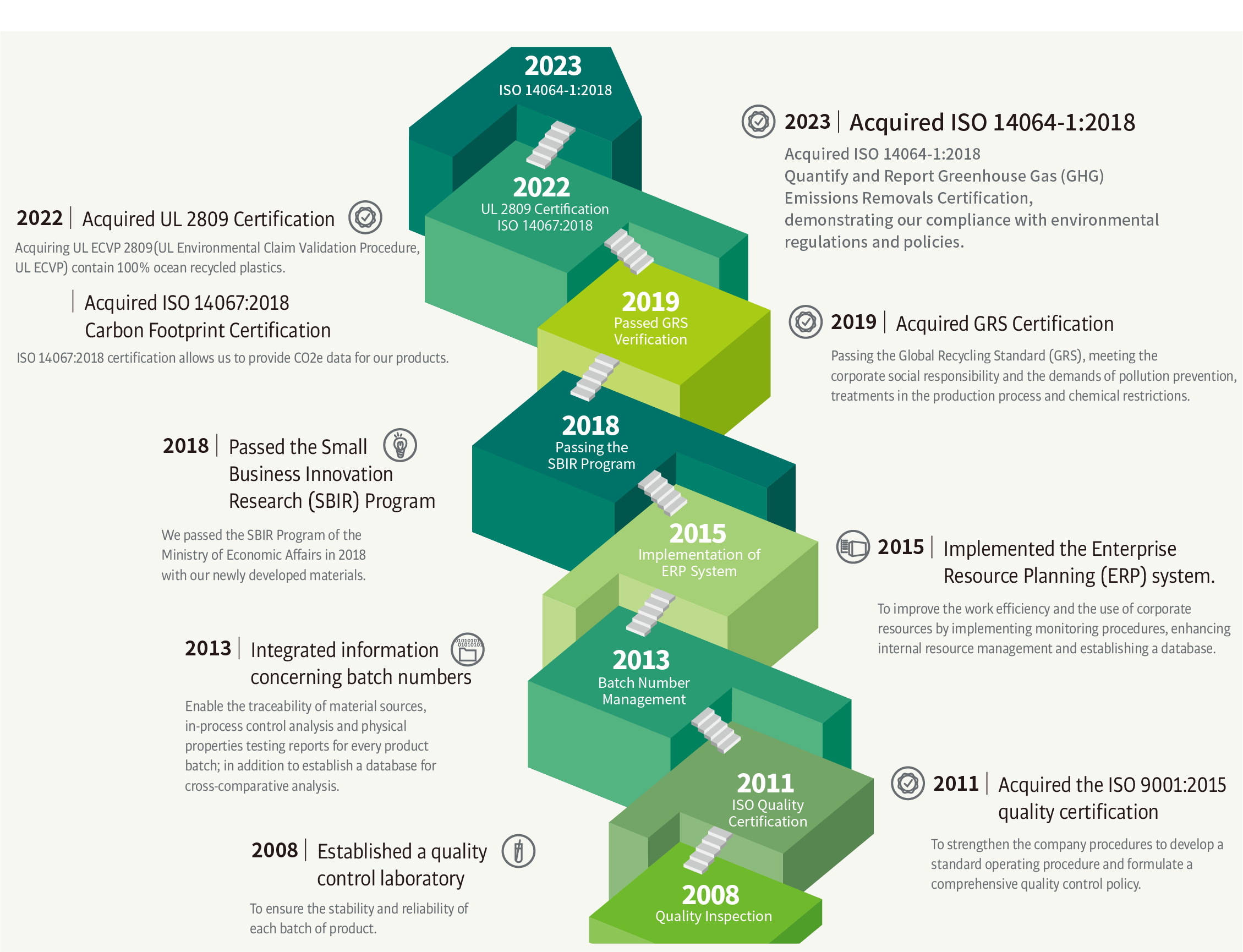
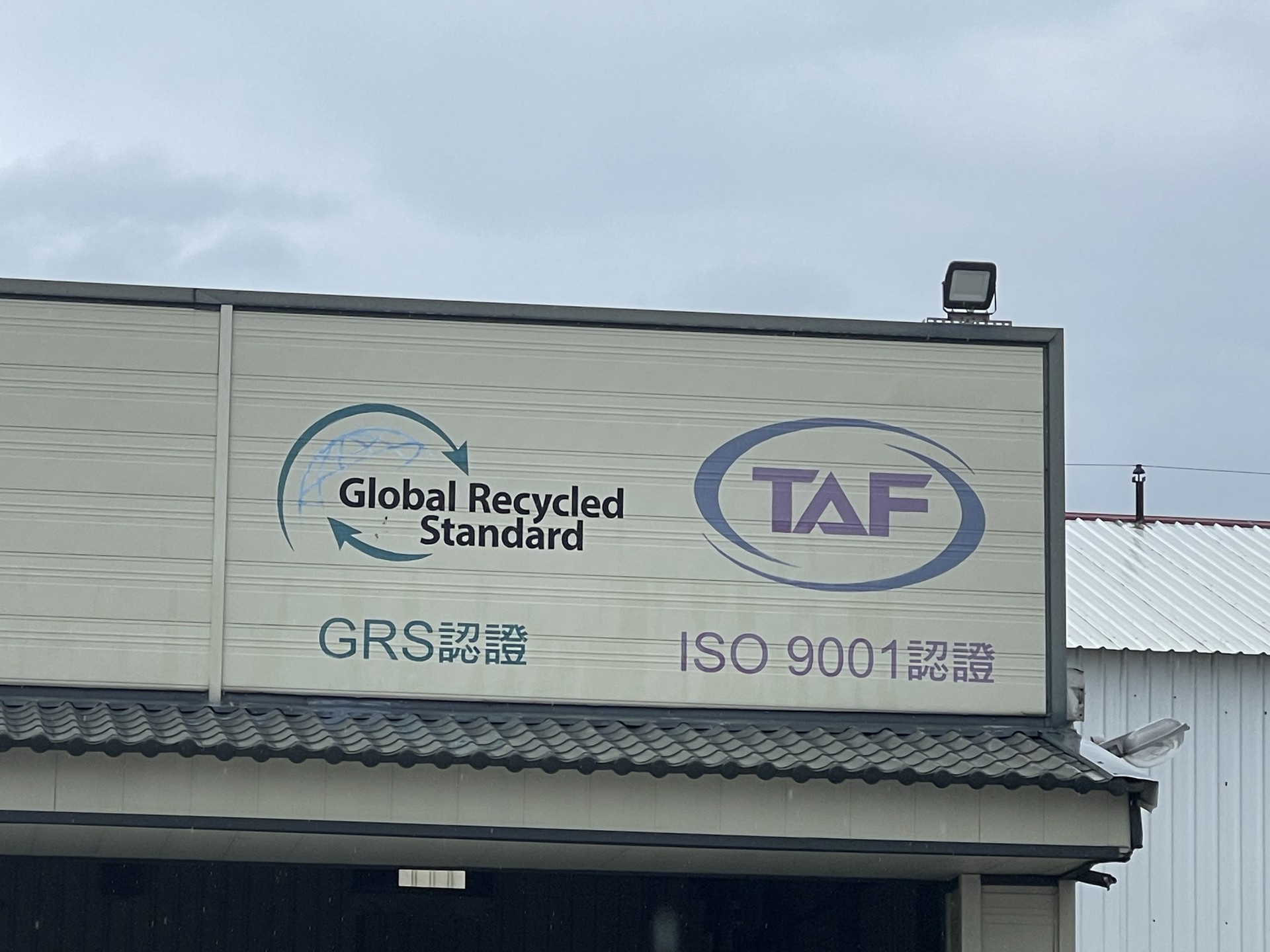
Internationally, RebornPlas gained recognition through certifications, including but not limited to: Global Recycled Standard(GRS) Certification in 2019, UL 2809 Ocean Plastic Content Certification, ISO 14067 Carbon Footprint Certification in 2018, and ISO 14064-1 Quantify and Report Greenhouse Gas(GHG) in 2018. Among these certifications, GRS played an important role in increasing RebornPlas’s advantages when cooperating with foreign industries, especially countries in the European Union. It has a mechanism called the Transaction Certificate, which shows the Information from both the buyers and sellers, including what materials were purchased and the percentage of recycled content. Due to these certificates, RebornPlas was able to work with several large companies from both domestic and international, including Giant and Hibang Eyewear in Taiwan, and Trek Bikes in America.
The company’s role in the circular economy
RebornPlas is one of the leading model companies in the field of circular economy and marine preservation. They have gained both international and domestic recognition. Government agencies, including the Ministry of Environment and the Industrial Technology Research Institute, had brought foreign companies' delegations to visit the site.
RebornPlas had provided new insight into the Circular Economy system. Hoping to promote the idea that sustainable products start with design. To facilitate the recycling and reuse of waste materials, they made the product from a single material. To extend the product's lifespan, they made the product interchangeable; therefore, if one part of the product is broken, the customer can get a replacement while still using the same one they purchased. This strategy enables the reduction of waste materials. Furthermore, RebornPlas also promotes programs that encourage customers to return the product they used to the company to get a cheaper new product when buying another one. Recycling the discarded product the customer used and manufacturing it again to sell as a recycled product enables the fulfillment of the circular economy.
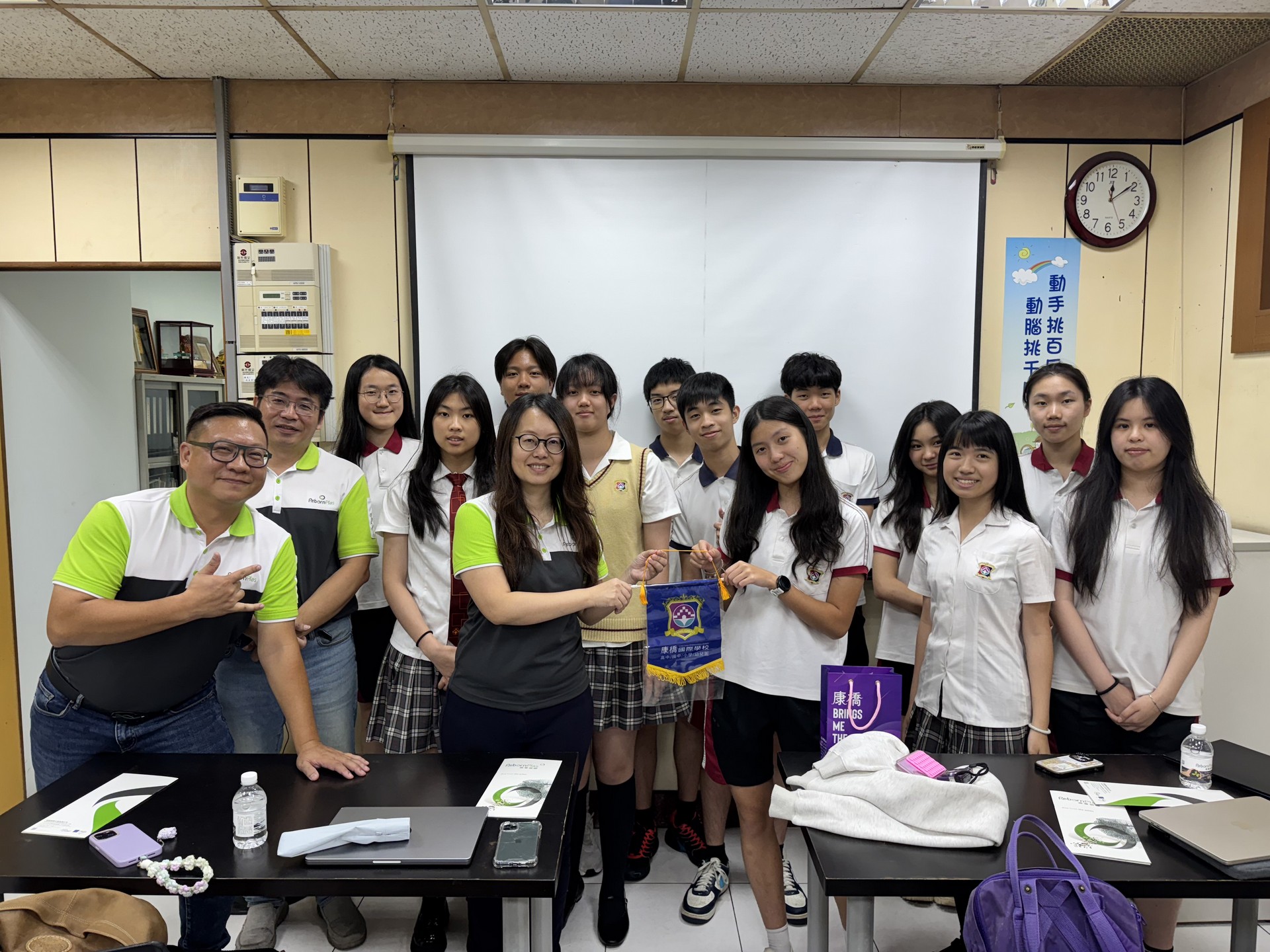
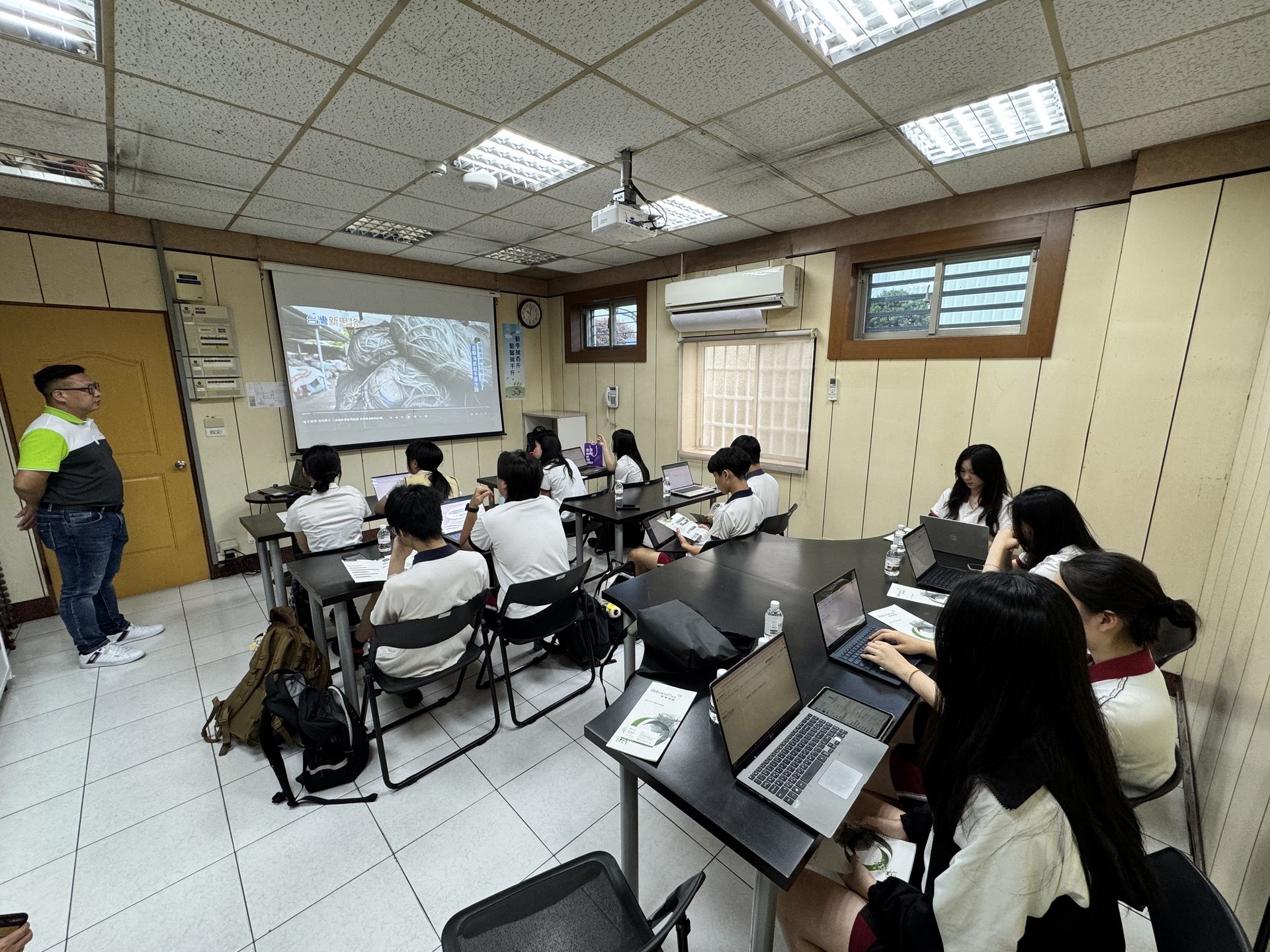
RebornPlas also promotes the circular economy and raises awareness of the importance of recycling among younger generations through collaboration with schools and social media updates.
The company’s role in maritime preservation
RebornPlas has been participating in marine conservation, including recycling abandoned fishing nets. The company collaborates with fishermen’s associations and local governments. They also work with government agencies to establish a more efficient recycling system, providing an easier process to collect marine debris. Recycling fishing nets strongly reduces the amount of waste from fishing nets in the ocean. Additionally, the company recycled abandoned fishing nets into eco-friendly and low-carbon nylon pellets, providing new life to ocean waste and offering solutions for marine plastic pollution.
Moreover, the use of mechanical recycling instead of chemical recycling prevents the release of waste materials and pollutants into the environment during the recycling process.