History of the Company

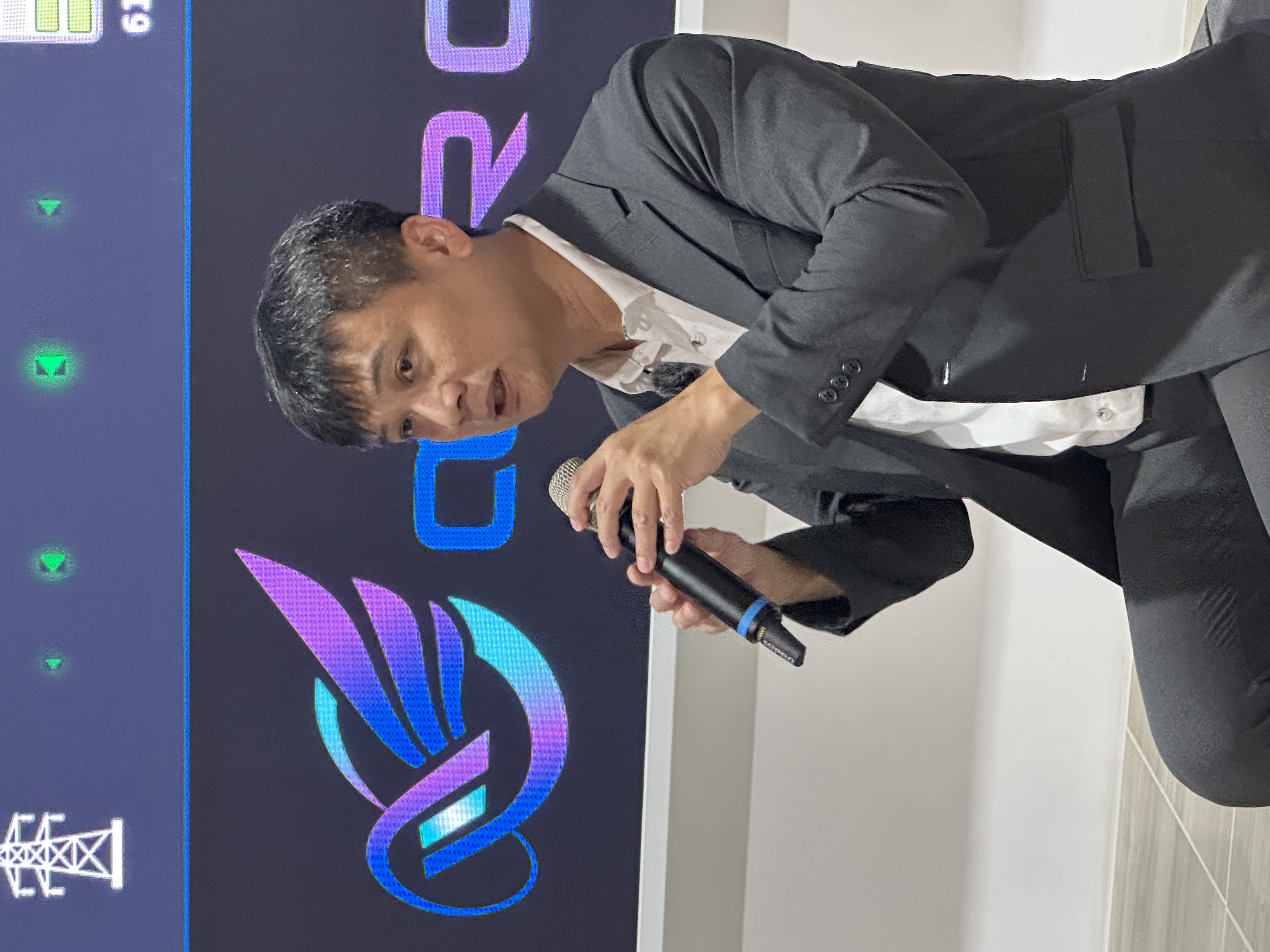
SEETEL New Energy was established in 2017. The high demand for advanced energy storage solutions was rising due to industrialization. At the time, Taiwan's battery industry was solely focused on limited investment in high-voltage and large-capacity energy storage systems. The lack of engagement in energy storage solutions within Taiwan’s energy sector motivated founder and chairman Randolph Lin to position SEETEL early as a company dedicated to the development and application of energy storage systems, laying the foundation for Taiwan’s energy transition.

In 2018, SEETEL completed its first energy storage system. The storage system marked its first milestone in the industry. This demonstrated SEETEL’s capability to implement complicated battery systems in grid-scale applications. The company opened its first behind-the-meter energy storage site in August 2019, incorporating a 700V, 600kWh system. This milestone introduced SEETEL into industrial and commercial energy storage applications, increasing the global usage of adaptive power management solutions.

Specializing in battery technology and energy management systems, SEETEL leverages integrated software and hardware capabilities across intelligent regional grid control, renewable energy control, and data center backup power. Guided by their three core business philosophies: ”Technology driven”, “Safety by design”, and “Value Creation”, SEETEL continues to play a critical role in advancing energy resilience and grid stability in Taiwan and beyond.

Connection to SDGs

Source: United Nations

Affordable and Clean Energy 

Facing the rapid growth of technology, global energy consumption has increased faster than ever. Specifically, energy consumption in the AI sector has surged a shocking twenty times its previous level. As an energy storage company, SEETEL Company has opened doors to affordable and clean energy through storing excess energy that is initially wasted during the transmission process. Due to the increase in energy supply, SEETEL Company has shifted its electricity use to peak hours, when electricity prices are the highest. Consequently, citizens pay for the initial cheap electricity during off-peak hours and low-cost stored energy during peak hours. Without external production, CO₂ production has been largely reduced, achieving the sustainable development goal as a cheaper replacement.  

Industry, Innovation, and Infrastructure 

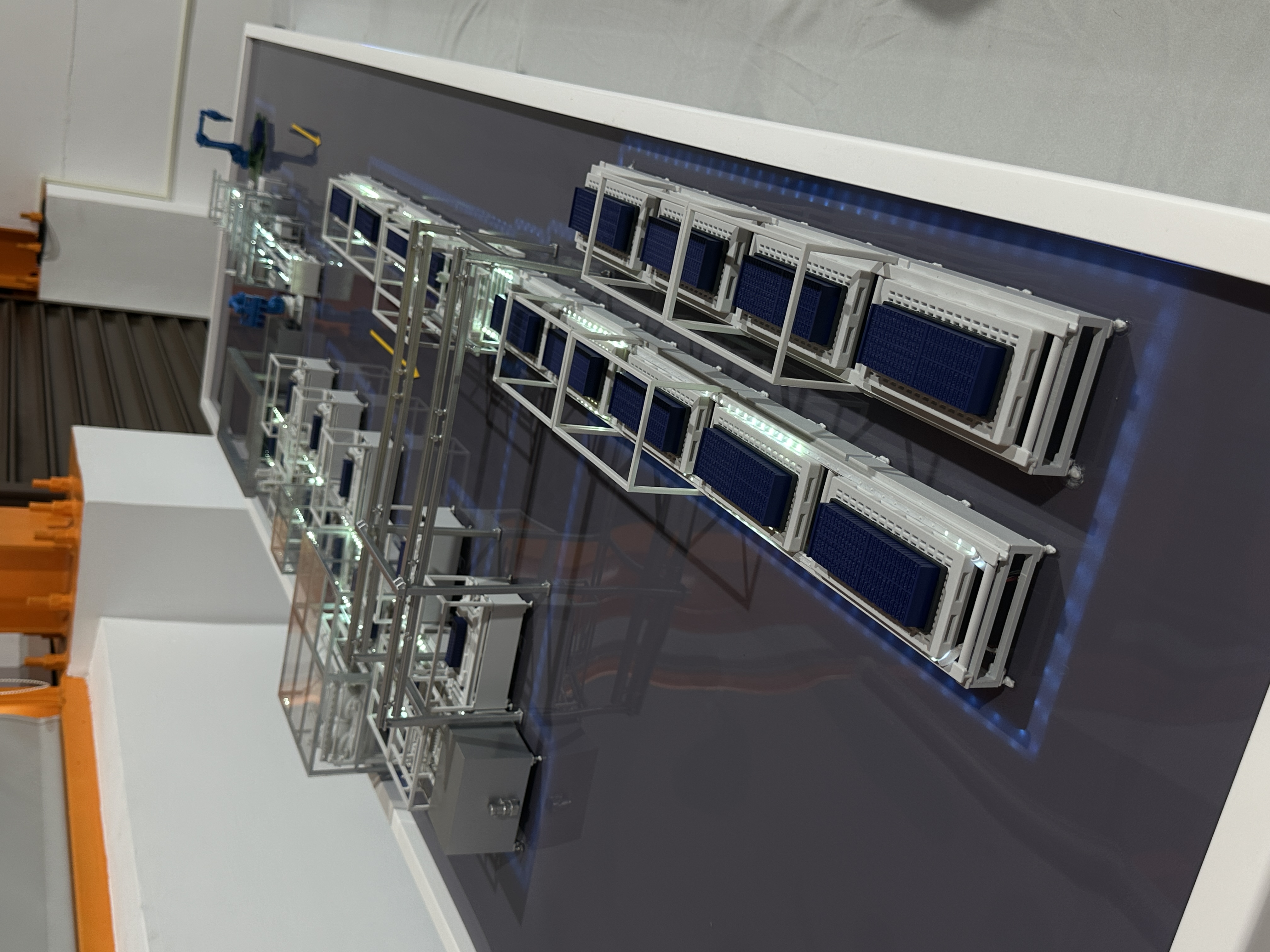
Present in the energy industry, SEETEL Company is the spearhead in the field of energy capacity storage. The innovative advancements in energy storage have achieved numerous milestones in reaching net zero. The once wasted electricity has turned into usable energy that can power a household. With compressed batteries and an AI-monitored Energy Management System (EMS), SEETEL Company constructs a new-generation technology, overtaking every existing energy storage system. The innovative incorporation of AI into the green industry has brought an abundance of advantages. SEETEL's factory in Taichung showcases the full procedure of manufacturing the capacious energy storage, from inspecting the single battery cells to assembling the full battery into a truck-sized storage system. Not only has technology brought advancements in individual fields, but it has also opened the community to more economic development, along with job opportunities. The global demand for efficient energy storage has risen due to rapid energy consumption and the increasing need for data centers. SEETEL Company has a self-constructed factory for producing compact batteries that hold electricity for grids.

Industry, Innovation, and Infrastructure 

Present in the energy industry, SEETEL Company is the spearhead in the field of energy capacity storage. The innovative advancements in energy storage have achieved numerous milestones in reaching net zero. The once wasted electricity has turned into usable energy that can power a household. With compressed batteries and an AI-monitored Energy Management System (EMS), SEETEL Company constructs a new-generation technology, overtaking every existing energy storage system. The innovative incorporation of AI into the green industry has brought an abundance of advantages. SEETEL's factory in Taichung showcases the full procedure of manufacturing the capacious energy storage, from inspecting the single battery cells to assembling the full battery into a truck-sized storage system. Not only has technology brought advancements in individual fields, but it has also opened the community to more economic development, along with job opportunities. The global demand for efficient energy storage has risen due to rapid energy consumption and the increasing need for data centers. SEETEL Company has a self-constructed factory for producing compact batteries that hold electricity for grids.  

Sustainable Cities and Communities  

Energy storage is one of the main industries that can promote sustainable cities and communities, as SEETEL Company is the spearhead in this domain. SEETEL Company enhances urban sustainability by developing advanced energy storage solutions that support renewable energy integration, improve grid stability, and reduce carbon emissions. Firstly, energy storage effectively supports renewable energy, such as wind and solar, since these sources are intermittent; therefore, energy storage solutions can store excess energy when production is high. Furthermore, it improves energy reliability and resilience by providing energy during outages and extreme weather conditions. Moreover, it helps reduce energy waste and increase efficiency by balancing demand and supply during different stages of energy consumption. Those advantages of the energy storage solution empower local communities by decentralizing storage systems, promoting electric vehicles and clean public transportation systems, stabilizing energy costs, and providing access.

Responsible Consumption and Production

Energy storage companies play a key role in storing excessive energy produced, which contributes significantly to the efficiency of energy consumption and production. Since the mechanisms reduce the waste of renewable energy during low-consumption periods, the institutions help nations decrease their reliance on less sustainable sources of electricity. Such an event reduces the environmental impact of human activities, diminishing greenhouse gas emissions and greenhouse gas emissions. This goes directly hand in hand with SDG 12: Responsible Consumption and Production, as it is an effective and efficient approach through which nations can stride closer towards “sustainable consumption and production patterns” and promote “resource and energy efficiency,” as advised by the United Nations’ descriptors of the goal.

Responsible Consumption and Production 

Energy storage companies play a key role in storing excessive energy produced, which contributes significantly to the efficiency of energy consumption and production. Since the mechanisms reduce the waste of renewable energy during low-consumption periods, the institutions help nations decrease their reliance on less sustainable sources of electricity. Such an event reduces the environmental impact of human activities, diminishing greenhouse gas emissions and greenhouse gas emissions. This goes directly hand in hand with SDG 12: Responsible Consumption and Production, as it is an effective and efficient approach through which nations can stride closer towards “sustainable consumption and production patterns” and promote “resource and energy efficiency,” as advised by the United Nations’ descriptors of the goal. 

Climate Action

Energy Storage System (ESS), in particular, SEETEL Company, plays a crucial role in the advancement of climate action. The system significantly reduces energy waste, which improves overall energy efficiency. The system stores excess energy during low-demand periods, then releases it when demand rises. ESS’s functionality enables it to minimize energy waste and balance the supply and demand of energy. In addition, the system enhances grid stability, where it prevents blackouts and enhances the grid’s reliability and functionality Meanwhile, ESS supports climate resilience by maintaining energy availability, which can be required during extreme weather events linked to climate change. Through smarter energy management and improved energy efficiency, the energy storage system helps maintain economic and industrial development while mitigating environmental impact. The project demonstrates that ESS is not just a significant technological advancement but also a great step toward improving climate action, which promotes a more sustainable energy system.