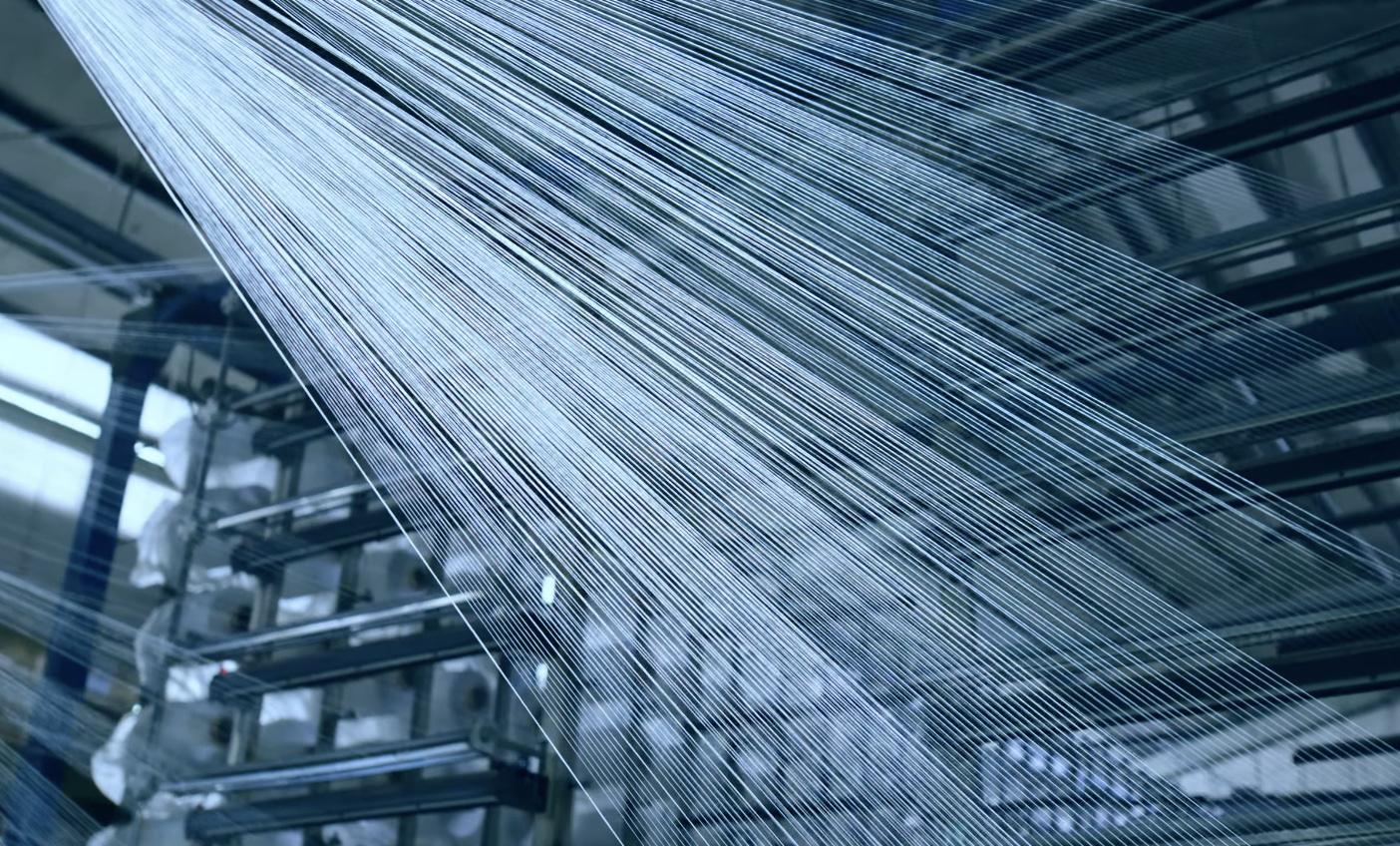
Circular economy is a regenerative cycle of production and consumption that keeps products in use as long as possible by remanufacturing, recycling, repairing, etc. It aims to minimize waste and pollution, unlike the traditional linear economy "take-make-dispose". To do that, they reduce major environmental issues such as climate change and resource depletion by disassociating economic growth from non-infinite resource utilization, focusing on eliminating waste, circulating materials at its highest quality, and conserve natural systems while creating economic and social value.
The circular economy framework is famously visualized through a "Butterfly Diagram", which separates the material flow into two main aspects: biological cycle and technical cycle. Biological cycle focuses on renewable products like food, wood, and cotton, that are designed to be returned to the Earth through composting or digestion to the soil. Meanwhile, technical cycle manages non-infinite cycles such as plastic and metal by placing them in a closed industrial loop through maintenance, repair, refurbishment, and remanufacturing, only using recycling as a last resort due to its higher energy costs and material degradation.
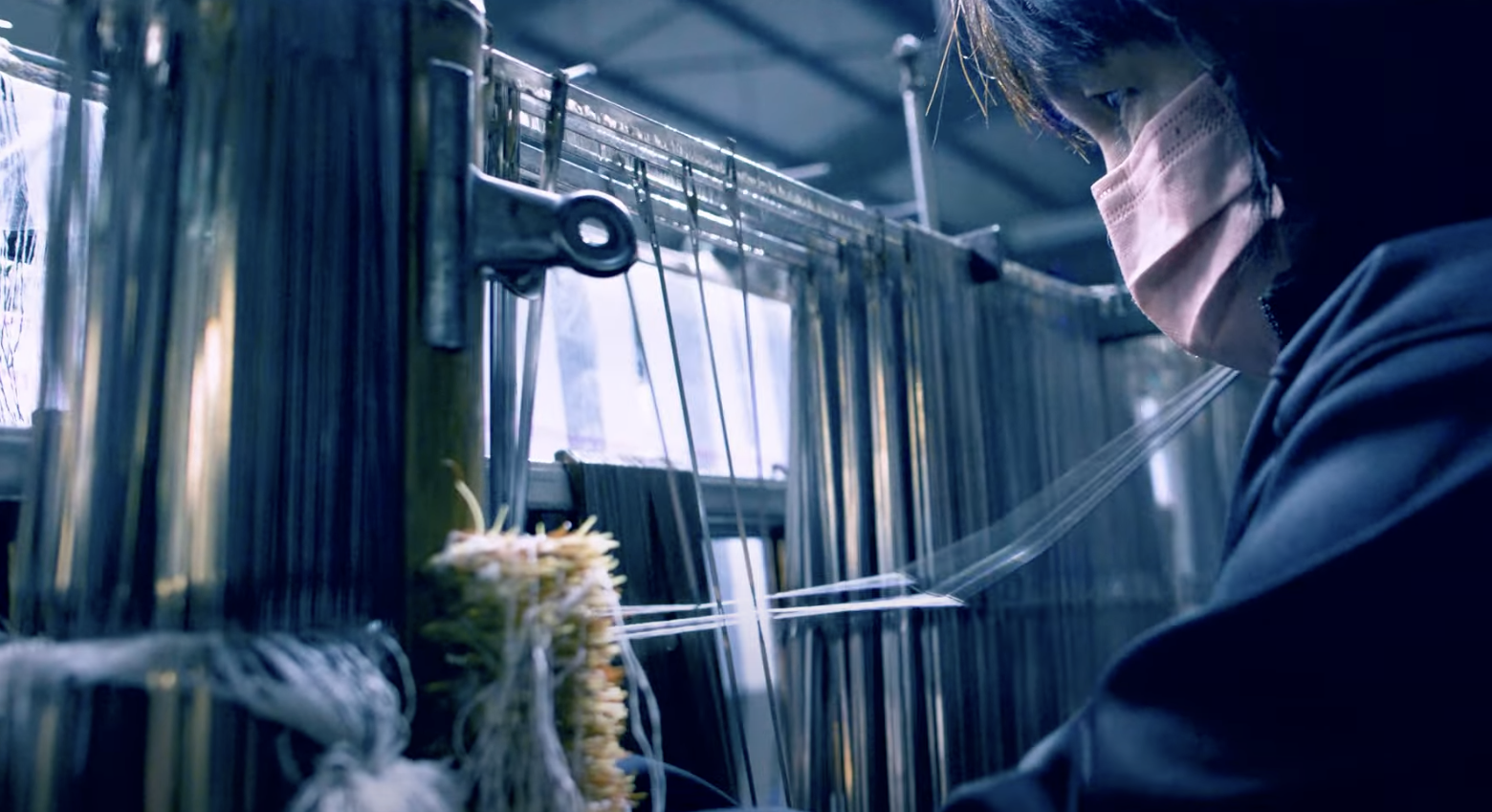
Constitutionally, 2026 would be a huge milestone, with the adoption of the EU Circular Economic Act, which plans to double the global circulatory rate in 2030 and establish a single market for high-quality materials. Emerging usage of AI precision sorting and enzymatic plastic recycling can break technological barriers before, allowing the recovery of high-puriosity materials as it was once impossible. This systemic shift doesn't only address the biodiversity loss, but also offers a more resilient economic path by reducing dependence on a circular supply chain.
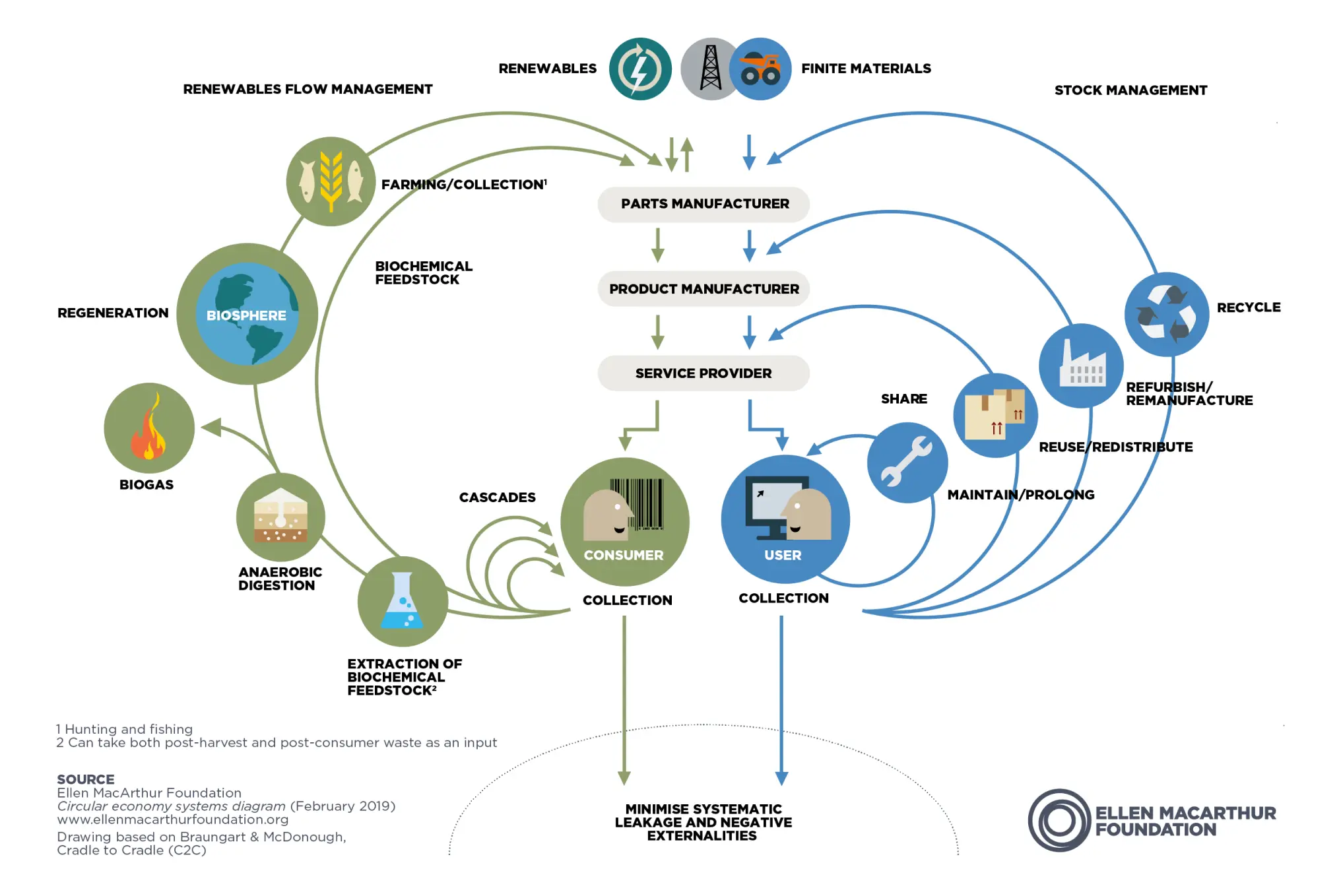 Image Source
Image Source
Image Source
Image Source
Image Source
 Image Source