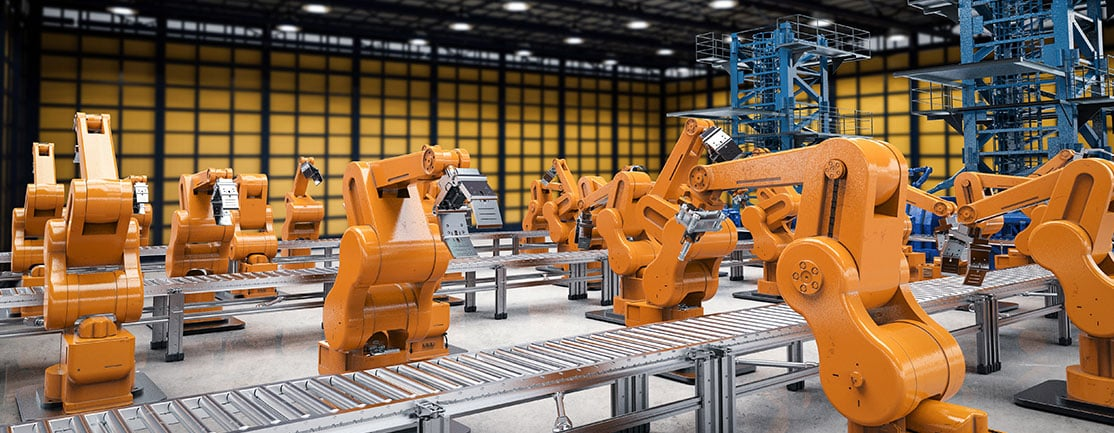
An industry is a group of businesses or organizations that produce goods and services, or related economic activities.
Industries typically progress through four stages of an industry life cycle: Launch, Growth, Maturity and Decline. Each stage represents distinct business characteristics, with different levels of competition, consumer demand, and business behavior.
In the launch stage, the industry is newly formed, often because a new technology has been developed or an innovative service has emerged. At this point, the market is still shaping its structure, and commercial applications are in the early exploratory phase.
An industry reaches the maturity stage when it is dominated by well-established firms with strong market share and stable business models. At this point, the industry generally serves a fixed or slowly expanding consumer base, and its growth rate is more modest compared to earlier stages. At this stage the industry is considered a mature industry, characterized by stability, predictable demand, and steady but limited opportunities for expansion.
As an industry enters the growth stage, it becomes a developing industry. During this period, the industry demonstrates clear commercial potential for a new product, service, or technology. Once the industry proves its viability, larger companies tend to enter the market, either by acquiring smaller firms or by developing their own internal capabilities.
Image SourceFinally, when total industry revenues begin to decline, the industry is classified as a declining industry. Management teams operating within declining industries typically confront two strategic options: to reinvent the business or to maintain course and maximize the remaining value. In the latter situation, their primary objective shifts toward returning as much capital as possible to shareholders.
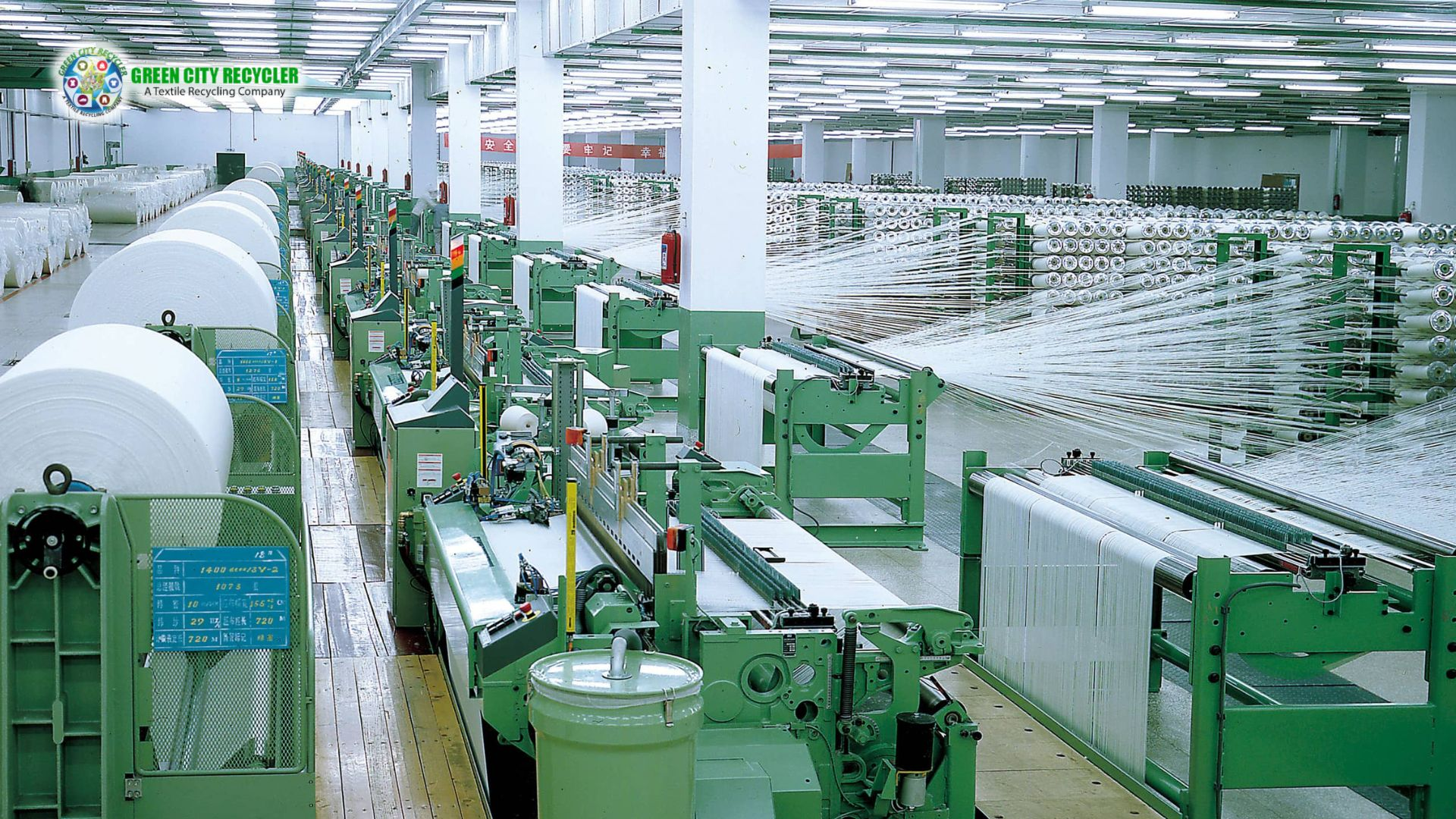
In the modern economy, most industries fall within either the developing or mature stages of the industry life cycle. Many sectors continue to expand as new technologies, services, and business models emerge, placing them in the developing stage. Examples include artificial intelligence, electric vehicles, renewable energy, and biotechnology. At the same time, a large number of long-established sectors have stabilized and now operate as mature industries with steady, predictable demand. Common examples include banking, retail, airlines, insurance and food and beverage. These patterns reflect how most contemporary industries have moved beyond the initial launch stage but have not yet entered a period of structural decline.
Image Source