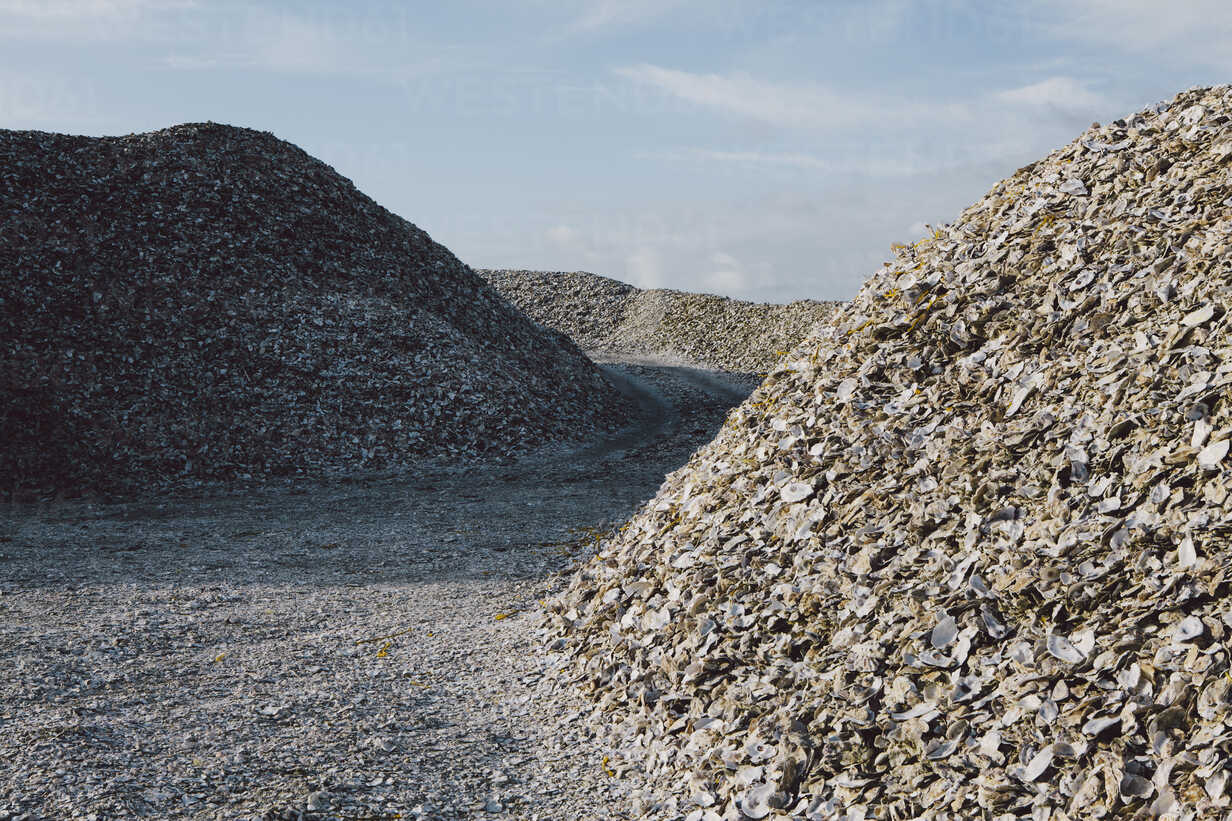
The oyster shell reuse industry is going through a big change. It is moving from a small, local practice into a modern environmental business. In the past, oyster shells were mostly seen as waste. People often dumped them back on beaches, into the ocean, or used them as simple gravel for farms or driveways. The industry existed for a long time, but it did not grow much.Today, that is changing quickly. People have realized that oyster shells are very valuable because they are rich in calcium and very strong. Instead of throwing them away, new companies now use advanced machines and chemical processes to turn old shells into useful products. These include materials like Seawool textiles or Hulk Powder used in construction. This shift is not just about recycling anymore—it is about creating a smart circular economy where waste from restaurants can be reused as valuable materials for other industries. This new system has benefits for both the economy and local communities. Treating shells as a resource creates new jobs, especially in the processing and manufacturing stages. It also helps protect the culture of fishing towns by turning a traditional byproduct into something innovative and valuable. At the same time, it supports oyster farming in a way that is both profitable and environmentally friendly. However, the industry still has challenges. One major problem is the strong smell of fresh oyster shells, which makes them hard to store, especially in crowded cities. Another issue is supply. Large projects like reef restoration often need more shells than can be collected and prepared in time. Finally, because this industry is still new, there are few clear rules and standards. Different regions have different regulations, which makes it difficult for startups to grow or sell shell-based products across borders.
 Image Source
Image Source
Image Source
Image Source
Image Source