Image Source
Click to enter the website
The article published by Common Wealth Magazine introduces Creative Tech Textile, a textile company based in Tainan, Taiwan, that has developed an innovative and eco-friendly material called Seawool®. This material is created by combining recycled oyster shells with textile fibers using nano-processing technology. Taiwan produces thousands of tons of oyster shells each year, and they often pile up as waste, causing environmental problems. Seawool® offers a sustainable solution by transforming this waste into a valuable resource. Seawool® naturally has qualities similar to wool, including warmth, moisture control, deodorizing effects, and breathability. Because it is both functional and sustainable, many international brands are interested in using it. This innovation has helped Creative Tech Textile grow significantly, and the company now earns about NT $300 million per year. The article highlights how Seawool® not only helps reduce environmental waste but also brings new economic value to coastal communities, creating a circular economy model that benefits both industry and the environment.
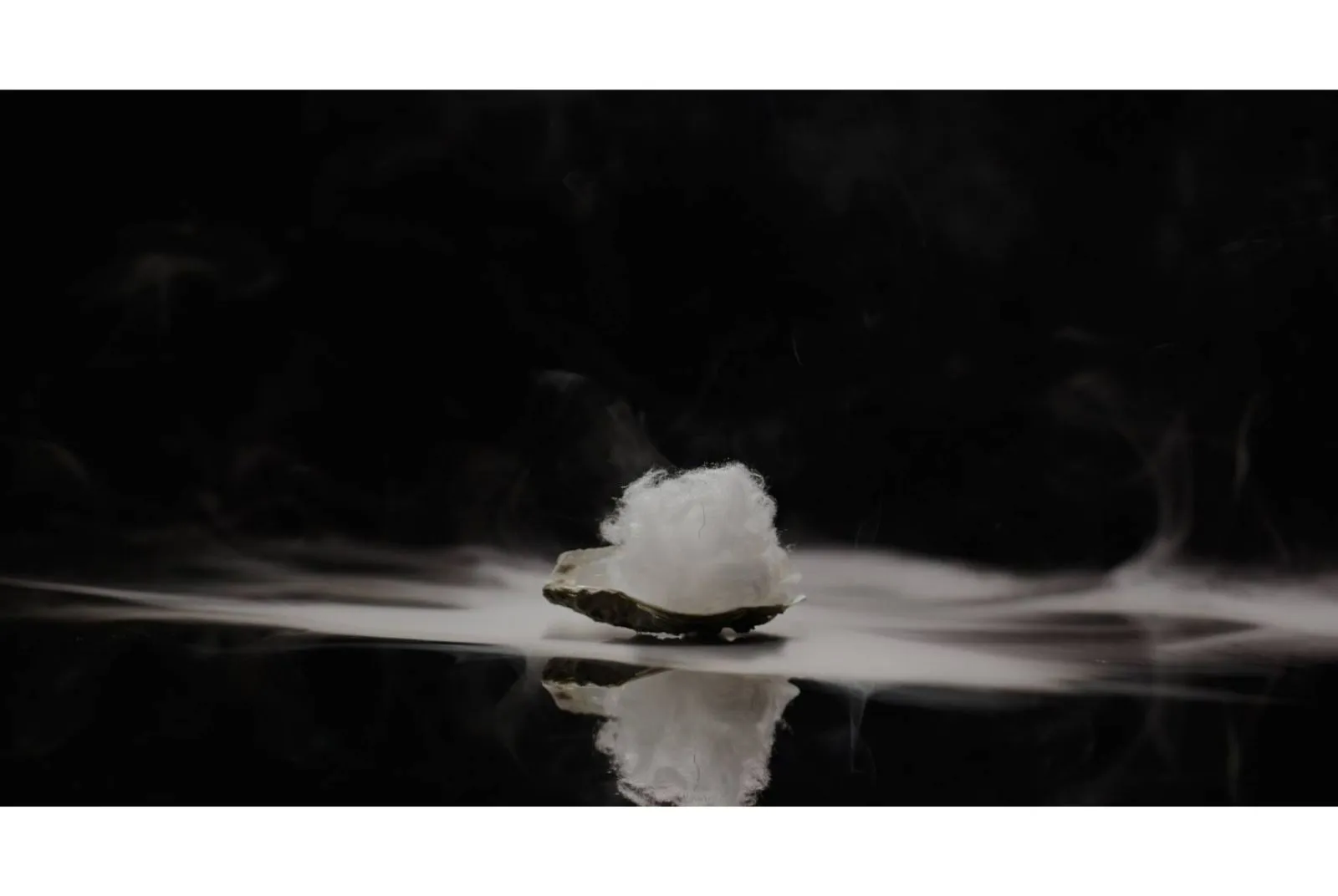

The article by Tastique explains how the Taiwanese company Creative Tech Textile uses wasted oyster shells and recycled plastic bottles to create a new sustainable fabric called Seawool®. Taiwan’s coastal regions produce a large amount of discarded oyster shells every year, and instead of letting this waste harm the environment, the company turns it into a useful textile material. Seawool® is made by burning and grinding oyster shells into a fine powder and then blending that powder with recycled PET (from plastic bottles) to form yarn and fabric. This material has several useful properties — it resists odors, wicks away moisture, protects against ultraviolet light, and regulates temperature so clothing can feel comfortable in different weather. It also performs better than some traditional materials: its deodorizing ability is stronger than cotton, and its moisture management is better than regular polyester. Economically and environmentally, Seawool has advantages too. Making it uses much less water than traditional natural fibers, and the cost of the fabric is lower compared with down or high-grade wool. Because of its performance and sustainability, Seawool has been adopted by leading fashion brands in the U.S. and has annual production of around 2,500 tons, reusing about 500 tons of oyster shells each year. The article also highlights how Seawool® represents a new model for circular economy in fashion — turning trash into a valuable, widely used material. By showing this innovation at international events like PanTextiles Tokyo, the company demonstrates that sustainable materials from local waste can compete globally and inspire changes in the fashion industry toward environmental responsibility.
Click to enter the website
Image SourceThe article explains how Taiwan produces a large amount of oyster shells every year — around 200,000 tons — and about 160,000 tons of those end up as waste. This waste not only takes up space but also causes bad smells and attracts flies, which leads to environmental problems. Traditionally, discarded oyster shells were only used in low-value ways such as animal feed or compost. Creative Tech Textile, a company founded in 2010, developed a process to transform oyster shells into valuable products. They first heat the shells to convert the calcium carbonate into calcium oxide and then further process this material to make calcium organic acid powder, which can be used in various industries. By combining this oyster shell powder with recycled PET plastic (from bottles), they produce a sustainable yarn called Seawool. This yarn has a structure and feel similar to wool, improves insulation and UV protection, and saves energy compared with using new raw materials — reducing carbon emissions and water use. The company also created a warm material called Smawarm, which can replace animal down, and other products like the Hulk bio-ceramic antibacterial powder. Their innovations have won many awards and international certifications, and their Seawool fabric is used by well-known outdoor clothing brands in Europe, the United States, and Japan. In addition, oyster shell powder treated at high temperatures can be added to plastics to give them antibacterial, mold-resistant, infrared and temperature-stable properties, useful in industries such as textiles, footwear, furniture, coatings, medical devices, and electronics. The company hopes to expand the industrial use of recycled oyster shells further to create more environmentally friendly products and reduce marine waste.
Click to enter the website
Image Source