Creative Tech Textile started with a simple belief from its CEO, Eddie Wang: fabric is not just about looks, it’s about skill. If the tension, structure, or balance is off, the fabric won’t feel or perform the same. More than 20 years ago, Mr. Wang already saw that the textile industry had to change and focus on better functional products, not just mass production. So, instead of competing in plastic recycling, an industry largely controlled by China, Mr. Wang chose a different path. He believed Taiwan presents cooperation and peace by combining ideas from around the world and improving them. That mindset led him to a local, but underestimated resource, which are oyster shells.
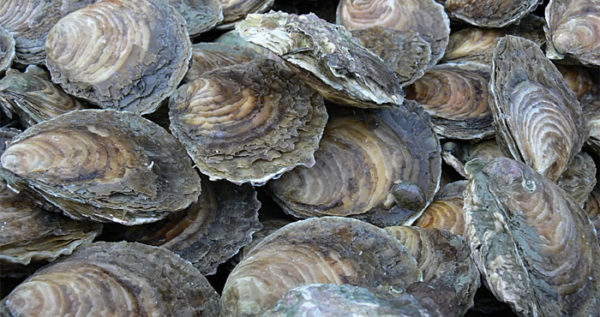
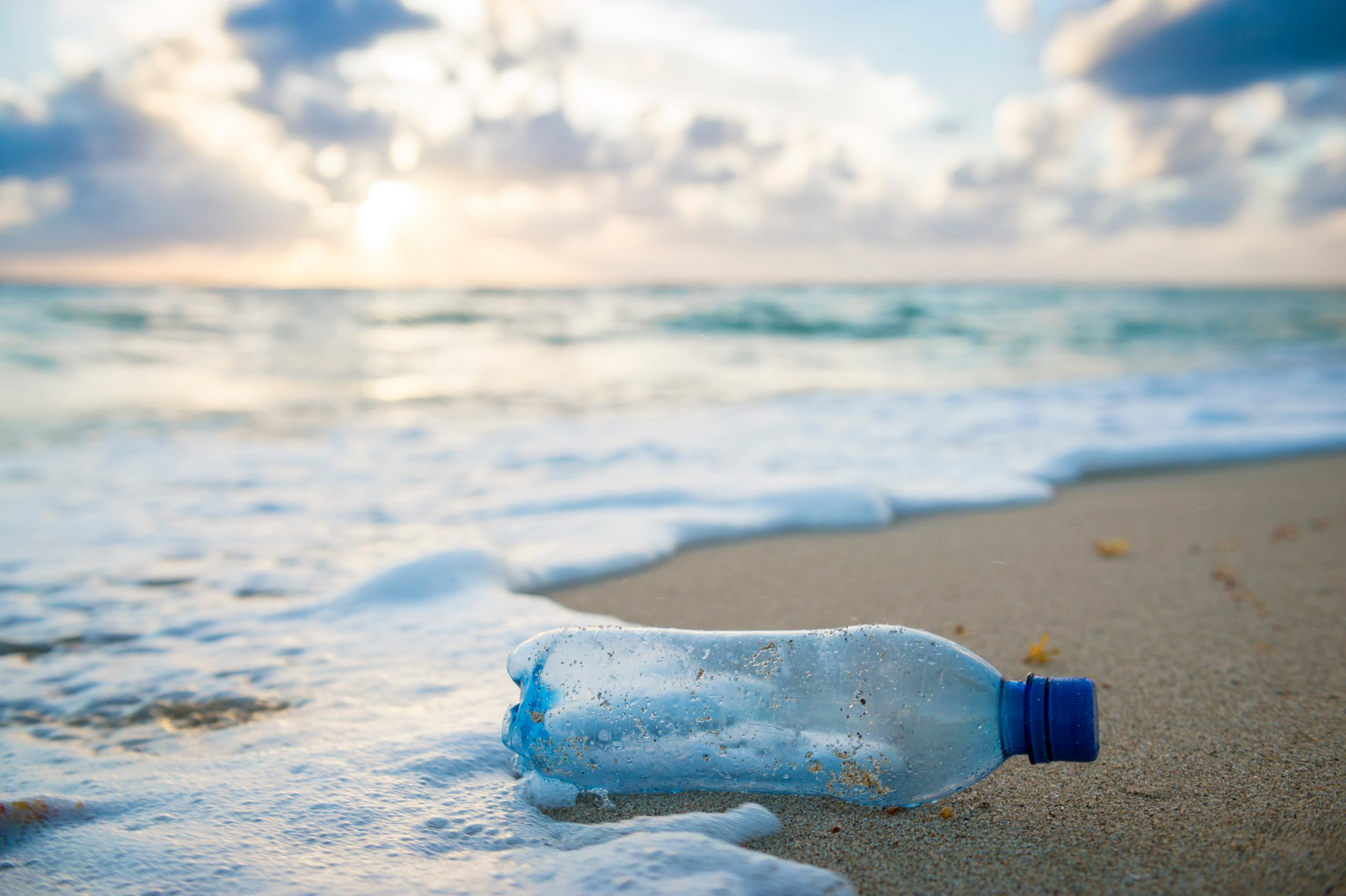
Growing up near oyster farms, Mr. Wang often saw piles of wasted shells dumped near river entrances, causing pollution and attracting insects. Taiwan has a long culture of reusing oyster shells, and Mr. Wang realized they could be turned into something valuable. By combining oyster shells with recycled plastic bottles, his team created three key technologies: Seawool, Smawarm, and Hulk Bio-Ceramic.
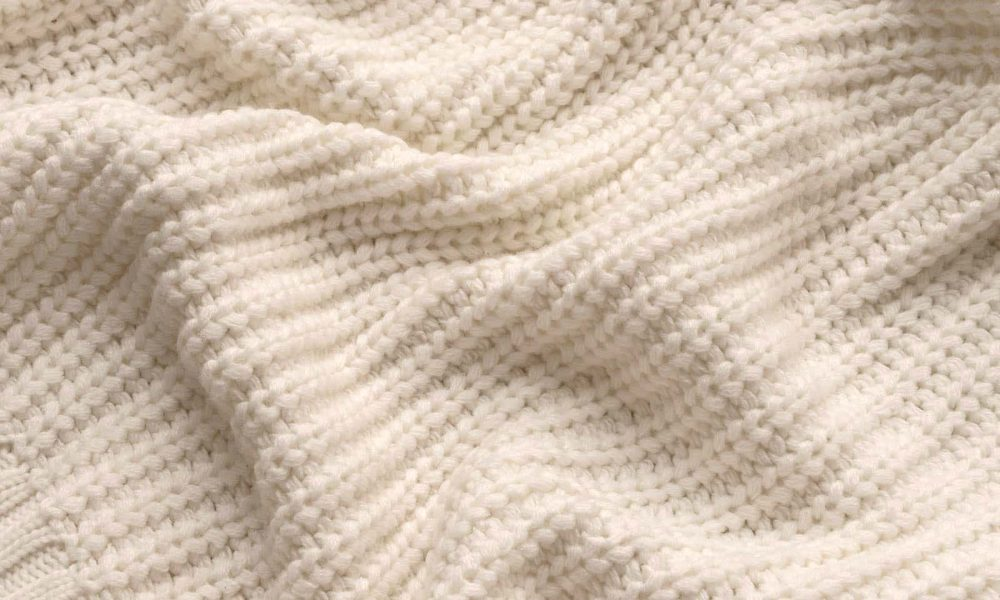
Seawool feels soft like real wool but is lighter, stronger, and easier to care for. It works in both winter and summer, keeping warmth in cold weather and allowing airflow in hot weather. It also benefits by controlling odor, blocks UV rays, lasts through many washes, and is widely used in activewear and outdoor clothing by global brands such as Uniqlo. Smawarm was inspired by Mr. Wang’s discomfort after seeing the videos of ducks being plucked alive. Traditional methods use huge amounts of water, about 800 tons of water to produce just 100 tons of feathers. Smawarm uses oyster shell powder instead, while giving lightweight warmth that traps heat well, costs much less, and is easy to clean. It works as an alternative for thermal and insulated clothing. Hulk Bio-Ceramic expands this technology beyond clothing, and into medical and electronic materials, helping with odor control and performance enhancement.
All in all, through careful steps, cleaning, heating, crushing, nano-grinding, and turning the material into fibers, Creative Tech Textile turns waste into useful products. The company follows strong ESG values, and believes in “1% waste, 100% innovation.” Just like what Mr. Wang told us, "From nature, back to nature. One oyster can create global change."
The clothing industry creates numerous environmental problems. Wool and down textiles require huge amounts of water and energy, and down textiles often come from live-plucked ducks, which is harmful to animals. At the same time, Taiwan produces tons of oyster shells, especially from April to June, that are usually thrown away near rivers or the ocean, causing bad smells, mosquitoes, and pollution. Creative Tech Textile found a way to solve both problems by combining these waste oyster shells with recycled plastic bottles to create new, high-performance materials. They developed three main technologies: Seawool, which feels soft like wool, keeps you warm in winter and cool in summer, controls odor, blocks UV rays, and lasts through many washes; Smawarm, a lightweight option to replace plucking feathers, while trapping heat well, costs much less, saves water, easy to clean, and prevents harming animals; and Hulk Bio-Ceramic, a functional material used in clothing, medical devices, and electronics for odor control and performance. By carefully cleaning, heating, crushing, nano-grinding, and transforming the oyster shells into fibers, the company turns waste into valuable, sustainable products, follows ESG principles, and proves that even one oyster shell can create global changes.
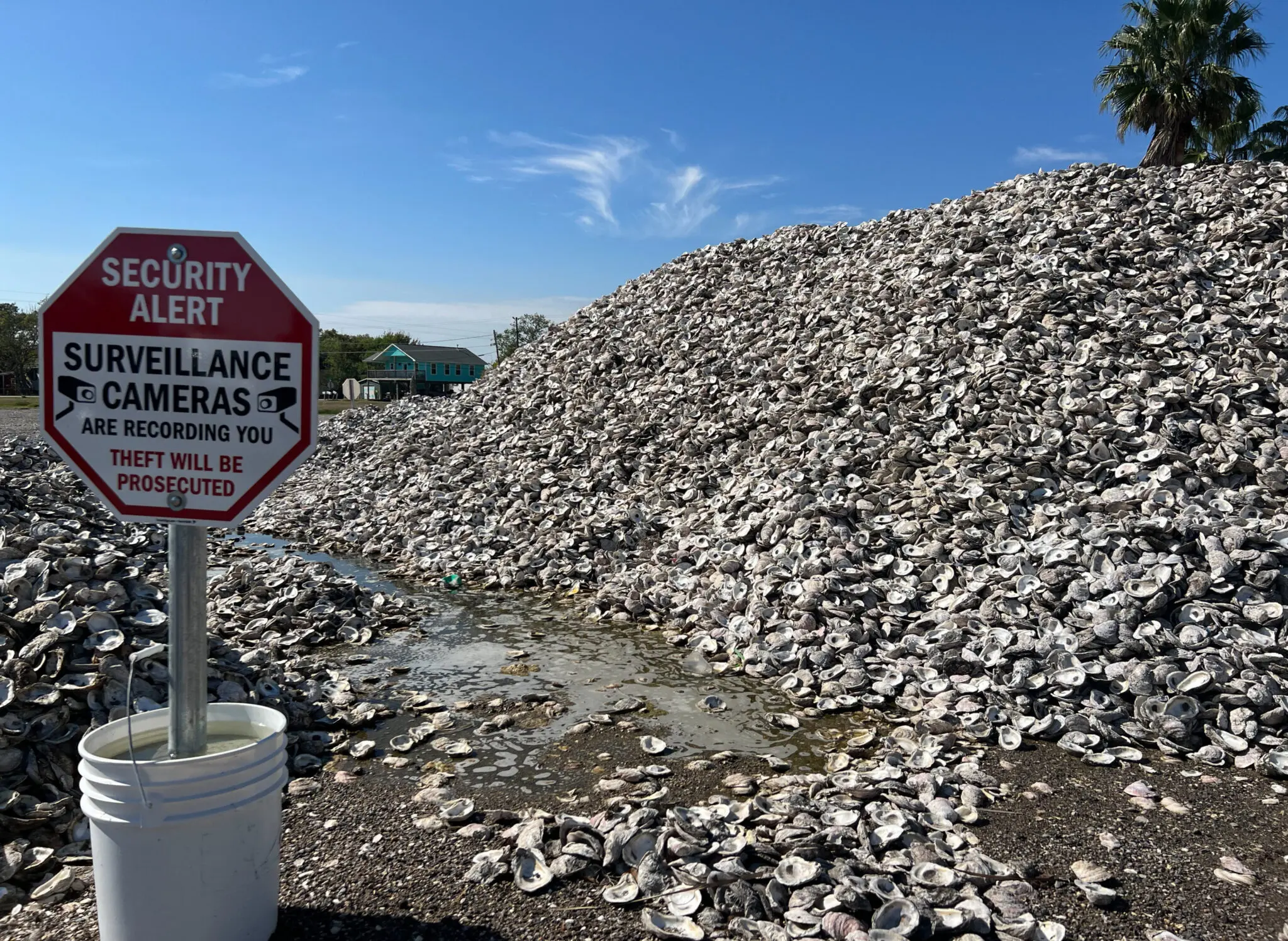
Image Source
Creative Tech Textile’s development is closely connected to Taiwan’s environmental and industrial context. Along the western coast of Taiwan, oyster farming has long been an important cultural and economic activity. However, this industry also produces a large amount of waste. According to Mr. Wang, the founder of Creative Tech Textile, Taiwan generates approximately 10 to 16 billion tons of discarded oyster shells each year. These shells are often piled near rivers or coastal areas, leading to unpleasant odors, pest problems, and environmental pollution that affect nearby communities. Mr. Wang grew up in a coastal environment and witnessed these issues firsthand. Rather than viewing oyster shells as useless waste, he believed they represented an underutilized resource. This perspective led him to explore solutions that address this problem, while responding to another local challenge: Taiwan’s high consumption of plastic (PET) bottles. By linking these two waste streams together, the company’s concept was formed around transforming local environmental burdens into valuable materials.
The transformation of discarded oyster shells and recycled PET bottles into functional materials relies heavily on Taiwan’s strong manufacturing foundation. Taiwan has decades of experience in textile production, advanced processing technologies, and a well established culture of research and development. These conditions made it possible to move beyond conceptual ideas and develop materials suitable for large scale production.
Through the integration of calcined oyster shell powder and recycled PET fibers, Creative Tech Textile developed innovative textile materials such as Seawool, Smawarm, and Hulk Bio-Ceramic. This process demonstrates Taiwan’s ability to convert experimental material research into industrial grade solutions. The company’s progress reflects how Taiwan’s technological expertise supports sustainable innovation.
The connection between Creative Tech Textile and Taiwan is not limited to raw materials and industry, it is also rooted in cultural knowledge. Historically, oyster shells were used in Taiwanese coastal communities as building materials, such as wall coatings and insulation, due to their thermal and protective properties. These traditional practices inspired the modern reuse of oyster shells in textile applications.
Image Source
Image Source
Image Source
By blending traditional knowledge with contemporary technology, Creative Tech Textile applies local wisdom to modern sustainability challenges. This approaches Taiwan’s goals in promoting a circular economy and supports SDGs principles by reducing waste disposal pressure and creating new economic value for coastal regions. What began as a response to a local environment issue has gradually developed into a model with global relevance. Creative Tech Textile demonstrates that solutions rooted in Taiwan’s local resources and ecological capabilities can meet international standards. Through collaborations with global brands, like Uniqlo, the company illustrates how Taiwanese innovation can extend beyond regional boundaries. This case demonstrates how environmental challenges in Taiwan can inspire solutions with worldwide impact. By transforming local waste into sustainable textile materials, Creative Tech Textile highlights Taiwan’s potential to contribute meaningfully to global environmental innovation.